
Dry Stone Workshop Manual
The manual aims to guide organisations and civil society groups who wish to actively engage in the efforts towards the conservation and transition of knowledge of the dry stone craft, assisting them with the planning and realisation of educational programmes in order to secure minimum educational and quality standards. The suggested methodology and structure take into account the particularities of the Greek territory and the conditions of isolation that are often in place, either due to insularity or mountainous terrain. It is therefore a programme that can be adjusted and realised anywhere, tapping into local techniques, knowledge, and craftsmanship.
The manual is the result of the research and practical implementation realised in 2025 by the Mitato of Amorgos, in collaboration with the Itinerant Workshop on the Traditional Building Crafts Boulouki and the Cultural and Environmental Association of Tinos “Ambassada”, in the context of the project “Allaximaria: Design and implementation of a standardised dry stone workshop”.
The file is available in Greek.
See also...
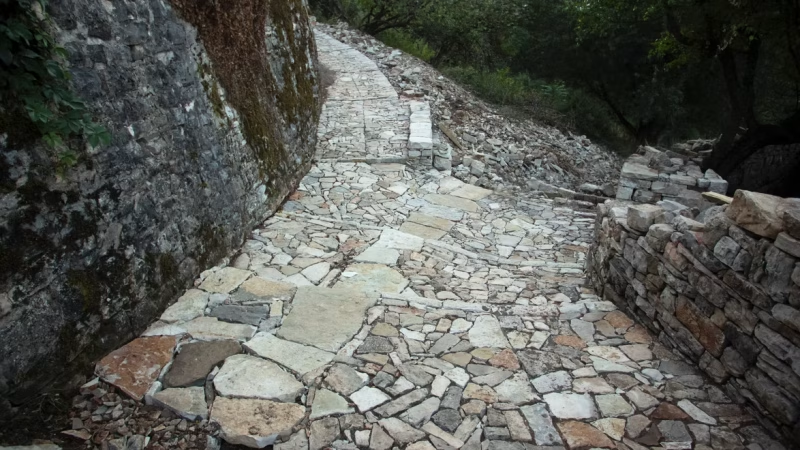
The following decrees were issued as a result of open dialogue, scientific exchange, and collective processing, as part of actions carried out by the Itinerant Workshop on Traditional Building Techniques “Boulouki” in collaboration with local authorities, scientific organizations, and collectives in the context of the Reappearances Project.
They address the protection, conservation, and sustainable management of cultural landscapes, with an emphasis on the use of local materials, dry stone construction, and the connection of material heritage with the contemporary needs of local communities. The texts reflect commonly accepted positions, proposals, and policy guidelines, highlighting the importance of traditional knowledge, participatory restoration, and the judicious use of natural resources.
The file is available in Greek.
- Educational material
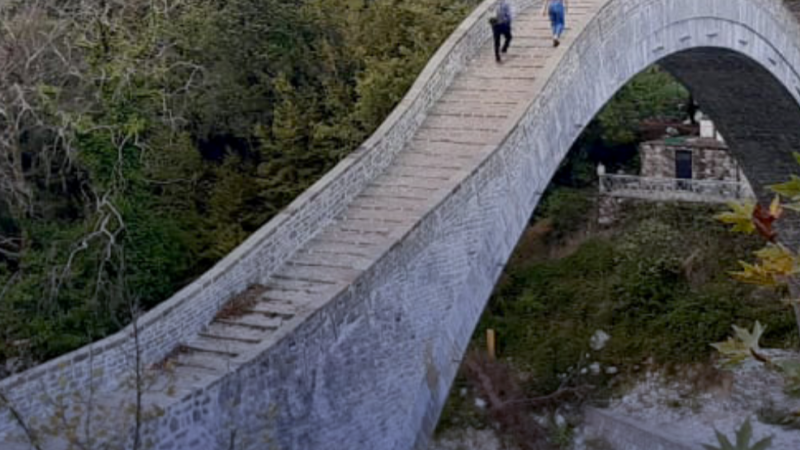
The publication aims to shed light on current challenges but also good practices encountered on restoration sites in Europe and proposes recommendations towards European stakeholders directly involved with the heritage restoration activities from a policy and strategic aspect, a technical and ecological aspects and also from a socio-economic point of view, as it has been clearly demonstrated, that heritage restoration stands at the crossroads of different policies, strategies but also solutions.
The H.E.R.O project was implemented under the Erasmus+ programme and was completed after 3 years (2021-2024) of transnational cooperation between 4 actors Acta Vista (France) leading partner, Bao Formation (France), Pour la Solidarite (Belgium), 4Grada Dragodid (Croatia), Boulouki (Greece).
The file is available in English.
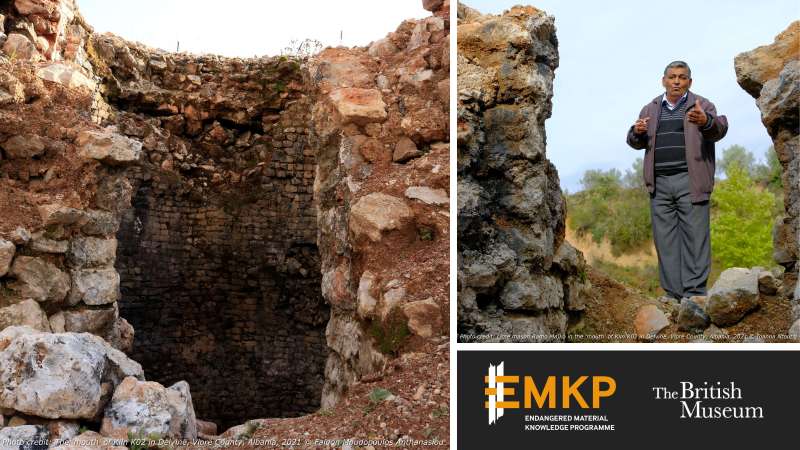
‘Burning the Bones of the Earth’ was initiated in November 2021 and concluded two years later, following extensive field research in several locations of Epirus in NW Greece and in regions of S. Albania. Its objective was to trace and document the traditional craftsmanship of wood-fired, flare-type lime kilns on both sides of the border; to explore the knowledge, practice, and social dimensions regarding the lime kiln technology and the ways it evolved in the two neighbouring countries. Full documentation of the project was uploaded at the British Museum’s Digital Resources Website on November 2025 and is now fully accessible to the community. In this resource you can find the documentation guide (downloadable file) and the full programmes website:
The file is available in English.