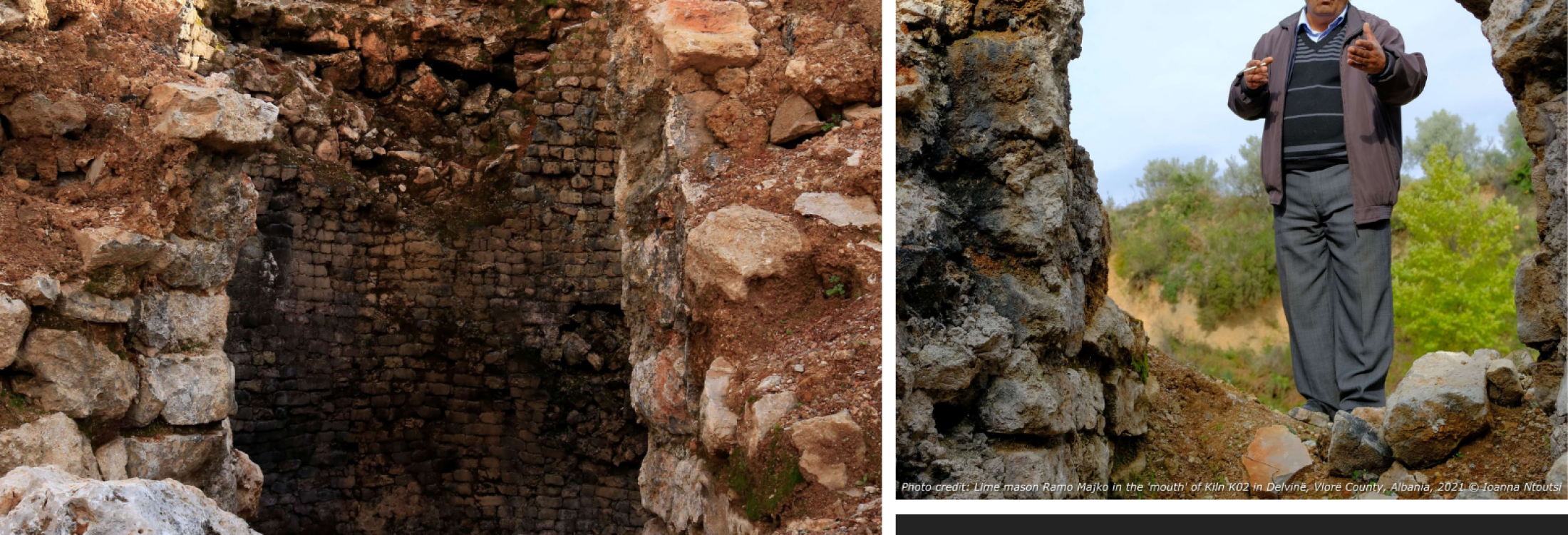
Documenting the Traditional Lime Kilns Technology Across the Albanian-Greek Border
‘Burning the Bones of the Earth’ was initiated in November 2021 and concluded two years later, following extensive field research in several locations of Epirus in NW Greece and in regions of S. Albania. Its objective was to trace and document the traditional craftsmanship of wood-fired, flare-type lime kilns on both sides of the border; to explore the knowledge, practice, and social dimensions regarding the lime kiln technology and the ways it evolved in the two neighbouring countries. Full documentation of the project was uploaded at the British Museum’s Digital Resources Website on November 2025 and is now fully accessible to the community. In this resource you can find the documentation guide (downloadable file) and the full programmes website:
The file is available in English.
See also...
- Educational material
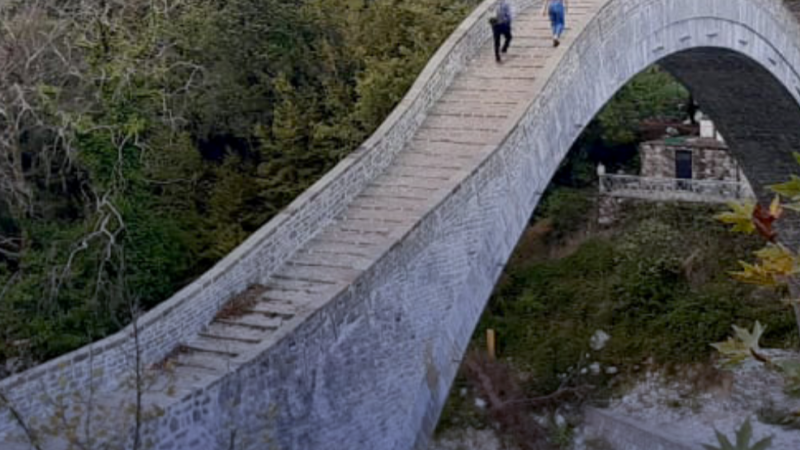
“HERO – Heritage Ecological Renovation for Inclusion Opportunities – is an Erasmus+ cooperation project associating 5 partners organization involved in the field of heritage restoration, eco-construction, training and social inclusion. Between 2021 and 2024, partners have gathered their expertise to develop, test and improve new approaches to heritage restoration :
- Inclusive and adapted to people far from training and employment
- Eco-friendly and respectful of the environment
The H.E.R.O project was implemented under the Erasmus+ programme and was completed after 3 years (2021-2024) of transnational cooperation between 4 actors Acta Vista (France) leading partner, Bao Formation (France), Pour la Solidarite (Belgium), 4Grada Dragodid (Croatia), Boulouki (Greece).
- Educational material
The publication aims to shed light on current challenges but also good practices encountered on restoration sites in Europe and proposes recommendations towards European stakeholders directly involved with the heritage restoration activities from a policy and strategic aspect, a technical and ecological aspects and also from a socio-economic point of view, as it has been clearly demonstrated, that heritage restoration stands at the crossroads of different policies, strategies but also solutions.
The H.E.R.O project was implemented under the Erasmus+ programme and was completed after 3 years (2021-2024) of transnational cooperation between 4 actors Acta Vista (France) leading partner, Bao Formation (France), Pour la Solidarite (Belgium), 4Grada Dragodid (Croatia), Boulouki (Greece).
The file is available in English.