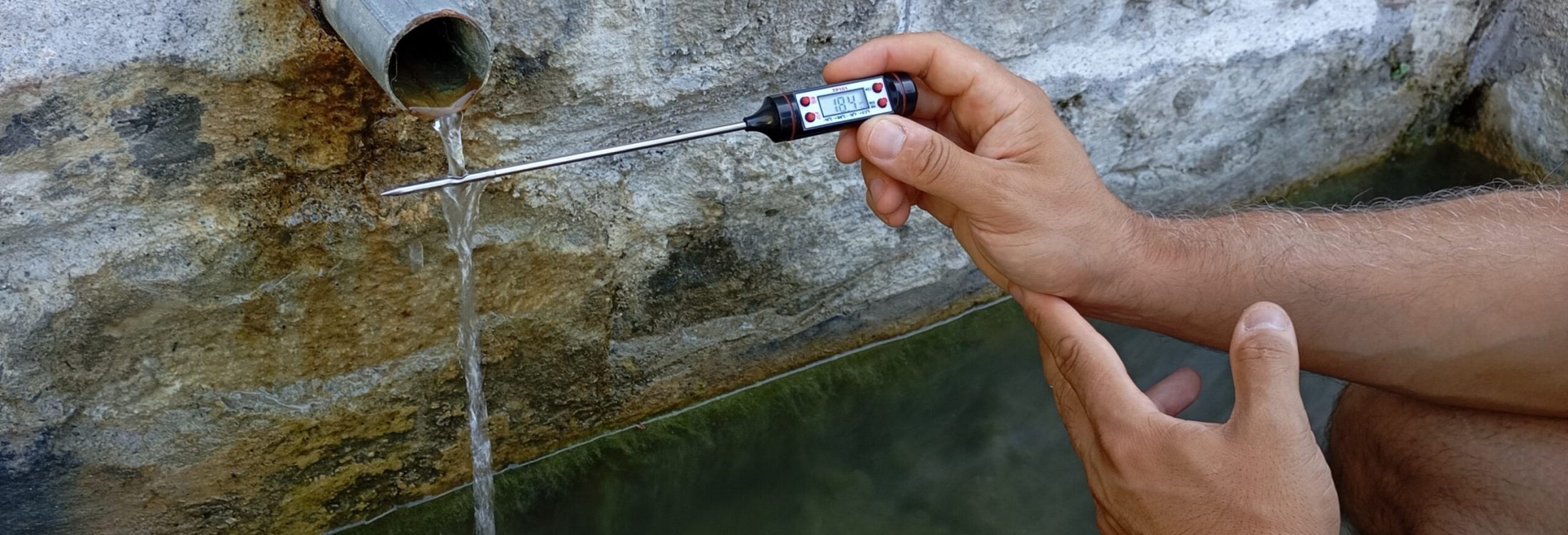
A Citizen’s Guide to Water Quality
The guide compiles simple and reliable methods for sampling and testing basic water quality parameters (temperature, flow, pH, total hardness, ions) in springs and fountains. It aims to provide local communities with the necessary knowledge and practical tools to actively contribute to the monitoring and protection of this valuable natural resource.
The Citizen Science guidebook was printed with the financial support of the Municipality of Konitsa and was designed and presented within the framework of the action for the development of Citizen Science for monitoring water quality, under the project: Connectivity Conservation Initiative for Fresh Drinking Water, funded by Prespa Ohrid Nature Trust – PONT.
The file is available in Greek.
See also...
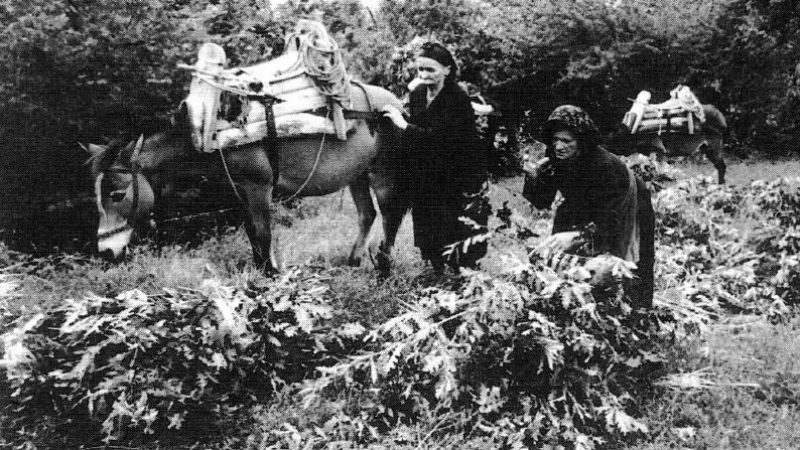
- Documentation
Since Boulouki has been working for years in Epirus, it has come close to the needs of local communities. In the framework of this project it aims at enhancing their livelihood and well-being by mapping ecosystems and the services they offer to the sustainable conservation of natural resources with the aim of social and economic well-being and delivering important information and skills for the management and sustainable development of the area focusing on biodiversity-related knowledge, agricultural, traditional livestock grazing practices, landscape and cultural values, traditional water infrastructures and related knowledge on sustainable use of natural resources.
The file is available in Greek.
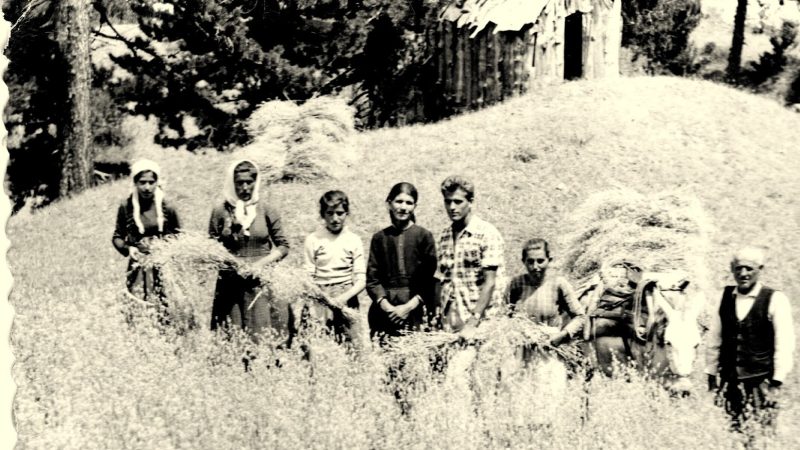
- Documentation
Since Boulouki has been working for years in Epirus, it has come close to the needs of local communities. In the framework of this project it aims at enhancing their livelihood and well-being by mapping ecosystems and the services they offer to the sustainable conservation of natural resources with the aim of social and economic well-being and delivering important information and skills for the management and sustainable development of the area focusing on biodiversity-related knowledge, agricultural, traditional livestock grazing practices, landscape and cultural values, traditional water infrastructures and related knowledge on sustainable use of natural resources.
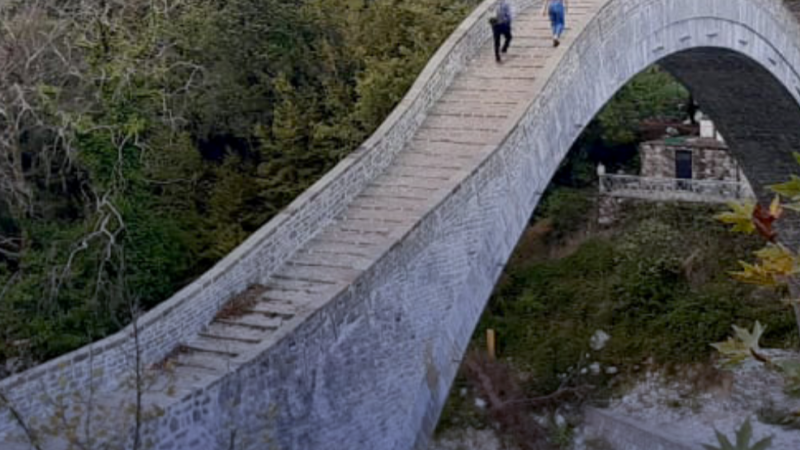
- Educational material
The publication aims to shed light on current challenges but also good practices encountered on restoration sites in Europe and proposes recommendations towards European stakeholders directly involved with the heritage restoration activities from a policy and strategic aspect, a technical and ecological aspects and also from a socio-economic point of view, as it has been clearly demonstrated, that heritage restoration stands at the crossroads of different policies, strategies but also solutions.
The H.E.R.O project was implemented under the Erasmus+ programme and was completed after 3 years (2021-2024) of transnational cooperation between 4 actors Acta Vista (France) leading partner, Bao Formation (France), Pour la Solidarite (Belgium), 4Grada Dragodid (Croatia), Boulouki (Greece).
The file is available in English.