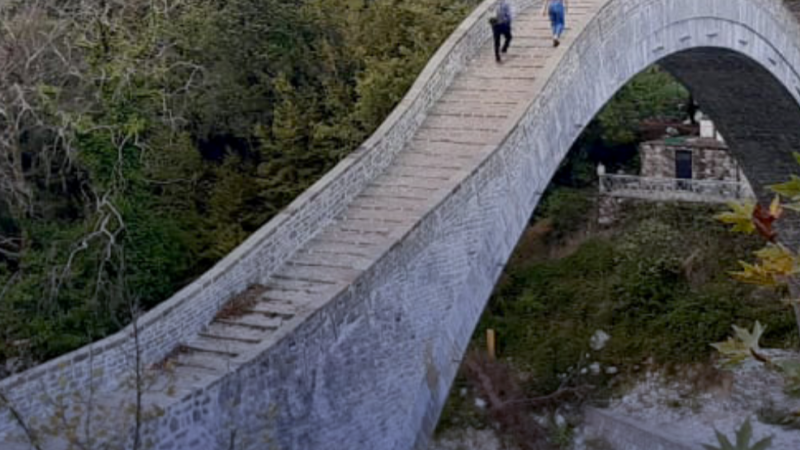
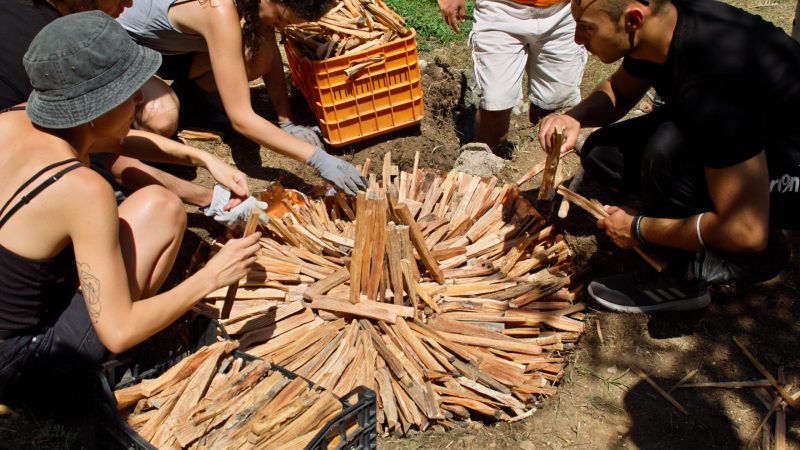
HERO Drystone Pathway Video

“HERO – Heritage Ecological Renovation for Inclusion Opportunities –  is an Erasmus+ cooperation project associating 5 partners organization involved in the field of heritage restoration, eco-construction,  training, and social inclusion. Between 2021 and 2024, partners have gathered their expertise to develop, test, and improve new approaches to heritage restoration : 

  • Inclusive and adapted to people far from training and employment
  • Eco-friendly and respectful of the environment

The H.E.R.O project was implemented under the Erasmus+ programme and was completed after 3 years (2021-2024) of transnational cooperation between 4 actors Acta Vista (France) leading partner, Bao Formation (France), Pour la Solidarite (Belgium), 4Grada Dragodid (Croatia), Boulouki (Greece).


Date: 31 October 2025

Rel. project: HERO

See also...

This Notebook of Works is a documentation of the works and the results of the dual educational programme “Keretsi | Apprenticeship and Workshop on Mortars for Traditional and Sustainable Building Practices” which was implemented at the beginning of October until November 2025 in Frasta, Tzoumerka, Greece, at the School for Research and Education on Traditional and  Sustainable Building, where Boulouki is based.

The document is available in Greek.
 

The publication aims to shed light on current challenges but also good practices encountered on restoration sites in Europe and proposes recommendations towards European stakeholders directly involved with the heritage restoration activities from a policy and strategic aspect, a technical and ecological aspects and also from a socio-economic point of view, as it has been clearly demonstrated, that heritage restoration stands at the crossroads of different policies, strategies but also solutions.

The H.E.R.O project was implemented under the Erasmus+ programme and was completed after 3 years (2021-2024) of transnational cooperation between 4 actors Acta Vista (France) leading partner, Bao Formation (France), Pour la Solidarite (Belgium), 4Grada Dragodid (Croatia), Boulouki (Greece).

The file is available in English.

This study examines the traditional technology of pine tar kilns in Greece, focusing on the case of Distrato in Epirus, where the last traditional artisans reside. Pine tar (katrami) is a viscous liquid produced by the destructive distillation of resinous wood, primarily from pine trees. This practice has a long history globally and in the Mediterranean, with applications in medicine, cosmetics, fuels, and waterproofing for construction and shipbuilding.

Authors: Christos Theocharis, Ioanna Doutsis, Panos Kostoulas, Grigoris Koutropoulos

The file is available in French.

Privacy Overview

This website uses cookies so that we can provide you with the best user experience possible. Cookie information is stored in your browser and performs functions such as recognising you when you return to our website and helping our team to understand which sections of the website you find most interesting and useful.