Allaximaria resource

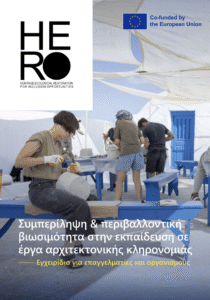
Dry Stone Workshop Manual

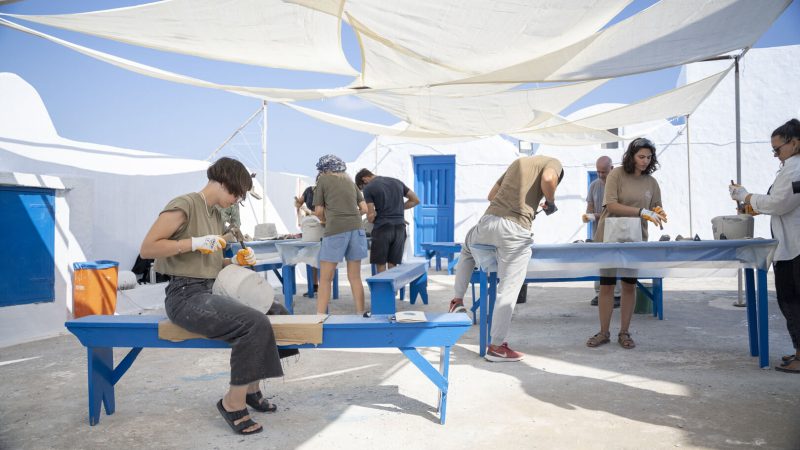
The manual aims to guide organisations and civil society groups who wish to actively engage in the efforts towards the conservation and transition of knowledge of the dry stone craft, assisting them with the planning and realisation of educational programmes in order to secure minimum educational and quality standards. The suggested methodology and structure take into account the particularities of the Greek territory and the conditions of isolation that are often in place, either due to insularity or mountainous terrain. It is therefore a programme that can be adjusted and realised anywhere, tapping into local techniques, knowledge, and craftsmanship.

The manual is the result of the research and practical implementation realised in 2025 by the Mitato of Amorgos, in collaboration with the Itinerant Workshop on the Traditional Building Crafts Boulouki and the Cultural and Environmental Association of Tinos “Ambassada”, in the context of the project “Allaximaria: Design and implementation of a standardised dry stone workshop”.

The file is available in Greek.

Date: 5 January 2026

Rel. project: ALAXIMARIA

See also...

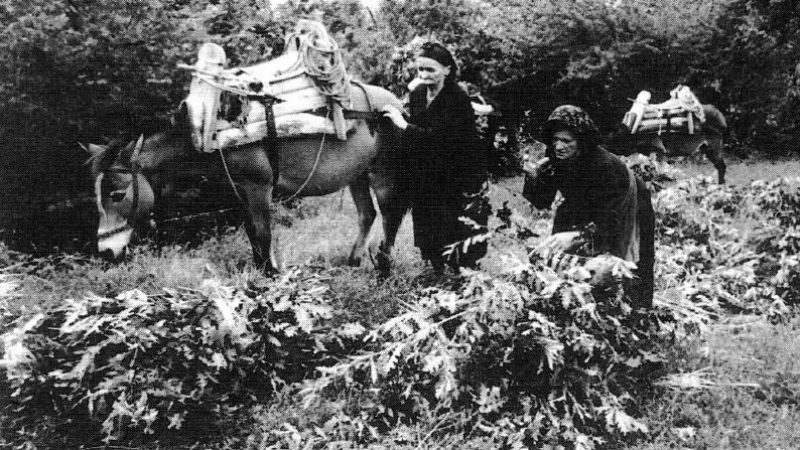
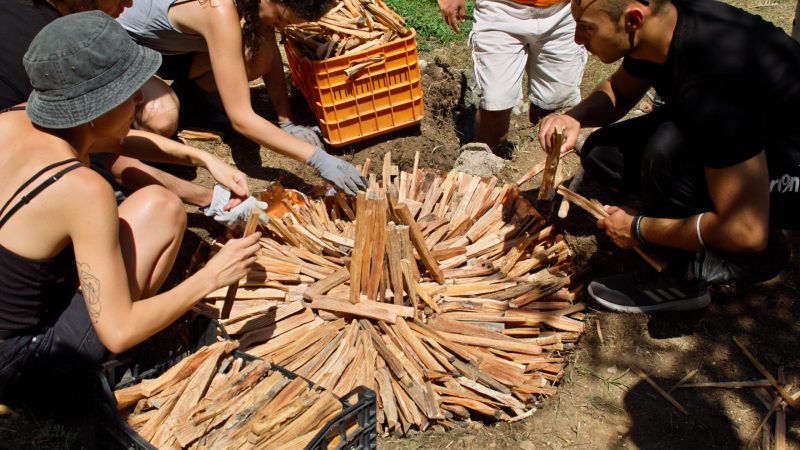
This study examines the traditional technology of pine tar kilns in Greece, focusing on the case of Distrato in Epirus, where the last traditional artisans reside. Pine tar (katrami) is a viscous liquid produced by the destructive distillation of resinous wood, primarily from pine trees. This practice has a long history globally and in the Mediterranean, with applications in medicine, cosmetics, fuels, and waterproofing for construction and shipbuilding.

Authors: Christos Theocharis, Ioanna Doutsis, Panos Kostoulas, Grigoris Koutropoulos

The file is available in French.

Since Boulouki has been working for years in Epirus, it has come close to the needs of local communities. In the framework of this project it aims at enhancing their livelihood and well-being by mapping ecosystems and the services they offer to the sustainable conservation of natural resources with the aim of social and economic well-being and delivering important information and skills for the management and sustainable development of the area focusing on biodiversity-related knowledge, agricultural, traditional livestock grazing practices, landscape and cultural values, traditional water infrastructures and related knowledge on sustainable use of natural resources.

The file is available in Greek.

The guide compiles simple and reliable methods for sampling and testing basic water quality parameters (temperature, flow, pH, total hardness, ions) in springs and fountains. It aims to provide local communities with the necessary knowledge and practical tools to actively contribute to the monitoring and protection of this valuable natural resource.

The Citizen Science guidebook was printed with the financial support of the Municipality of Konitsa and was designed and presented within the framework of the action for the development of Citizen Science for monitoring water quality, under the project: Connectivity Conservation Initiative for Fresh Drinking Water, funded by Prespa Ohrid Nature Trust – PONT.

The file is available in Greek.

Privacy Overview

This website uses cookies so that we can provide you with the best user experience possible. Cookie information is stored in your browser and performs functions such as recognising you when you return to our website and helping our team to understand which sections of the website you find most interesting and useful.