DSCF3848

Documenting the Traditional Lime Kilns Technology Across the Albanian-Greek Border

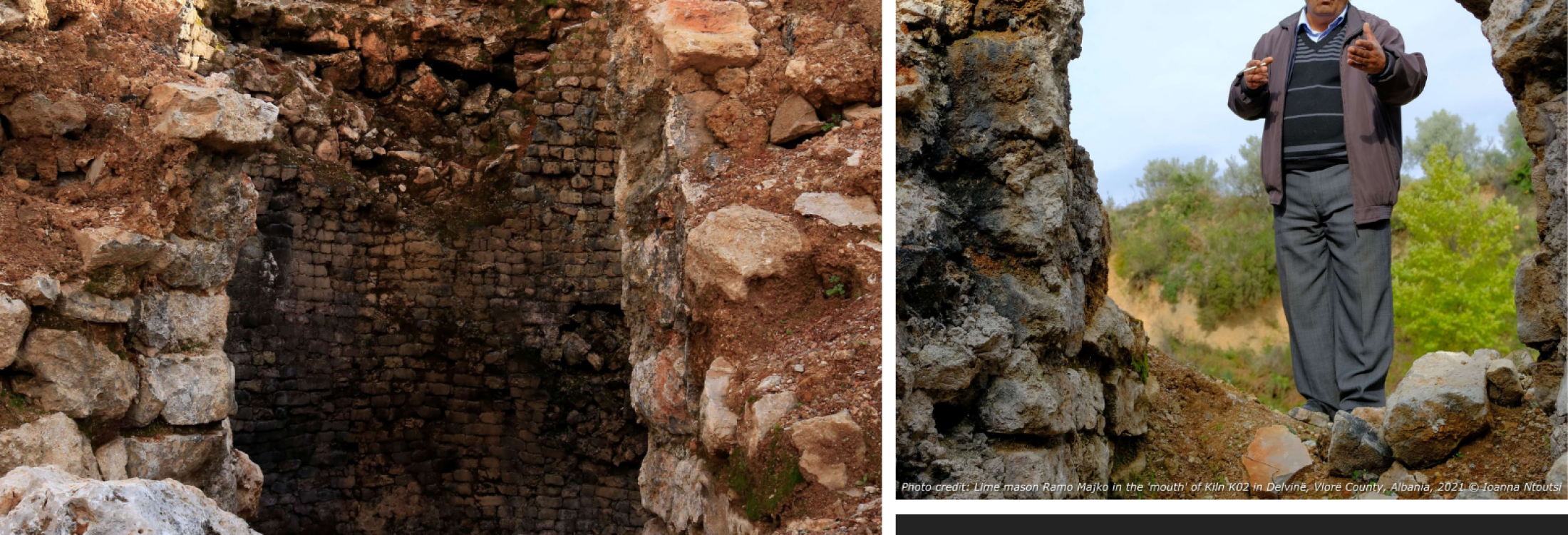
‘Burning the Bones of the Earth’ was initiated in November 2021 and concluded two years later, following extensive field research in several locations of Epirus in NW Greece and in regions of S. Albania. Its objective was to trace and document the traditional craftsmanship of wood-fired, flare-type lime kilns on both sides of the border; to explore the knowledge, practice, and social dimensions regarding the lime kiln technology and the ways it evolved in the two neighbouring countries. Full documentation of the project was uploaded at the British Museum’s Digital Resources Website on November 2025 and is now fully accessible to the community. In this resource you can find the documentation guide (downloadable file) and the full programmes website:

Burning the Bones of the Earth — Documenting the Traditional Lime Kilns Technology Across the Albanian-Greek Border

The file is available in English.

Date: 2 November 2025

See also...

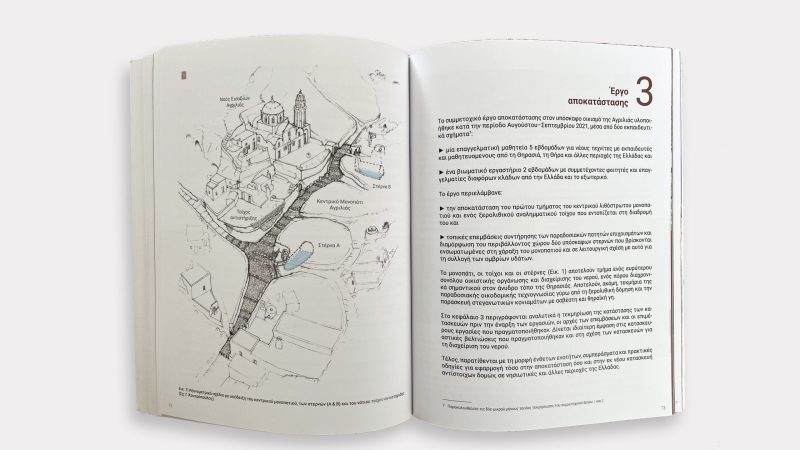
This handbook summarizes the process of repurposing the School’s roof through a double training program for young professionals, focusing on the traditional and sustainable practices that can be replicated in similar projects elsewhere. The creation of the handbook was supported by INTBAU Grassroots Grants Programme.

The file is available in English.

This article presents preliminary findings from an extensive research project titled ‘Burning the Bones of the Earth’, which began in 2021. It documents the technology of traditional lime kilns in the trans-border region between Albania and Greece.

Authors: Ioanna Ntoutsi, Faidon Moudopoulos-Athanasiou.

The file is available in English.

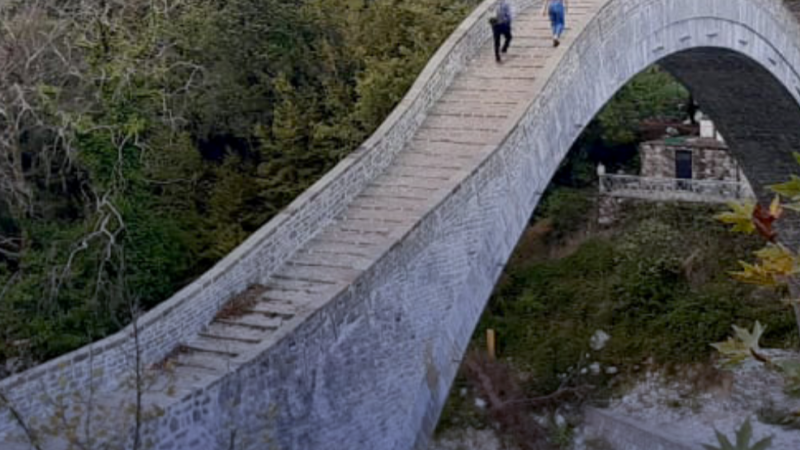
Since Boulouki has been working for years in Epirus, it has come close to the needs of local communities. In the framework of this project it aims at enhancing their livelihood and well-being by mapping ecosystems and the services they offer to the sustainable conservation of natural resources with the aim of social and economic well-being and delivering important information and skills for the management and sustainable development of the area focusing on biodiversity-related knowledge, agricultural, traditional livestock grazing practices, landscape and cultural values, traditional water infrastructures and related knowledge on sustainable use of natural resources.

The file is available in Greek.
Privacy Overview

This website uses cookies so that we can provide you with the best user experience possible. Cookie information is stored in your browser and performs functions such as recognising you when you return to our website and helping our team to understand which sections of the website you find most interesting and useful.