DELOS
Ancient technologies, traditional techniques and modern infrastructure | The Farmhouse of Markos
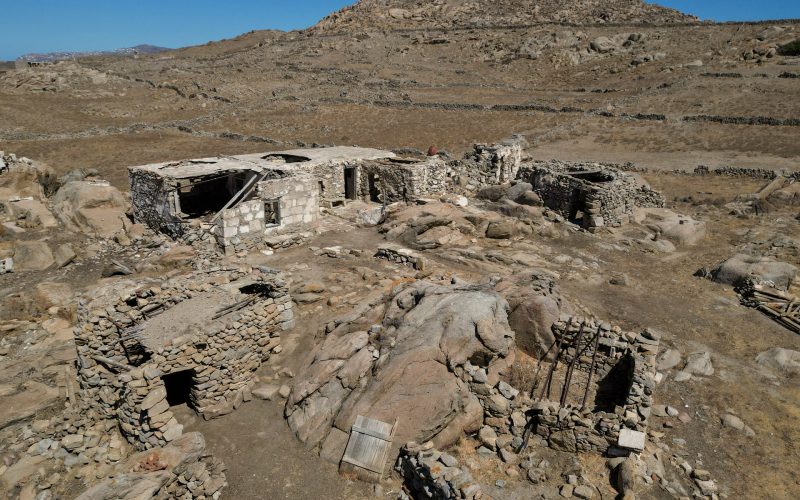
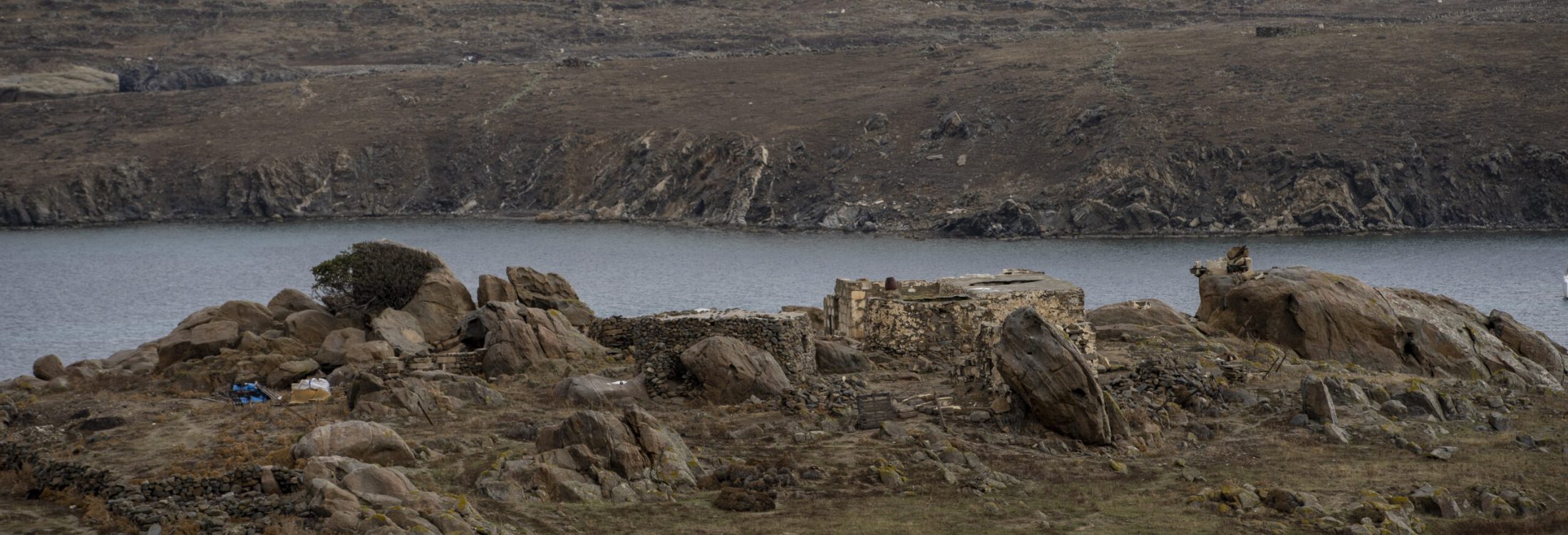
On the island of Delos, Boulouki is restoring a nineteenth-century farmhouse using traditional building techniques and natural materials. Known as the “Farmhouse of Markos”, after the last farmer to inhabit the island, this vernacular complex will be adapted to accommodate the archaeological teams, staff, and researchers who work on one of Greece’s most significant heritage sites. The restoration also serves as a platform for a design studio led by Boulouki at ETH Zurich and for interdisciplinary research, conducted in collaboration with social anthropologist Despina Nazou, on the overlooked rural heritage of the Mykonos-Delos-Rhenia island complex.
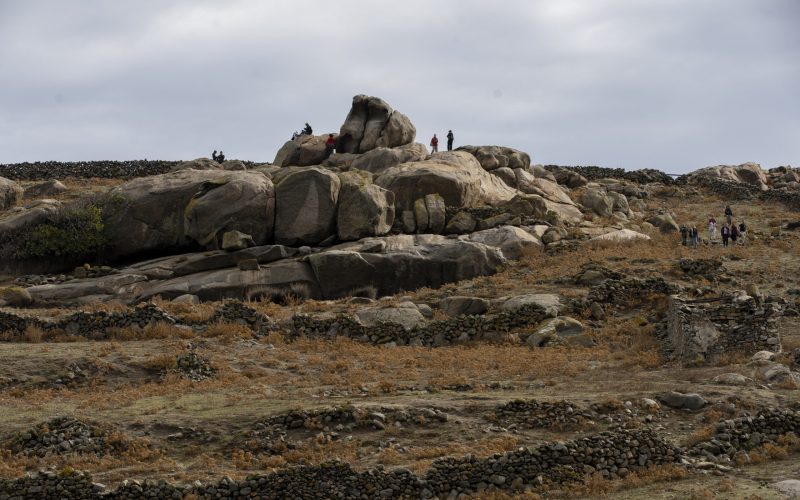
While Delos is globally renowned as a UNESCO World Heritage Site for its ancient ruins, the remains of a cosmopolitan port-city that once housed over twenty thousand inhabitants, it also preserves traces of a lesser-known rural heritage. From the 1870s onward, when the French School of Athens began systematic excavations, farmers from neighboring Mykonos rented plots of land on Delos to cultivate crops and graze livestock. Many also worked as excavation laborers, developing an intimate knowledge of the island’s layered landscape. The modest dwellings they built using locally available materials, local stone, earth, and lime mortars, and fragments from ancient structures, testify to a resourceful vernacular culture that coexisted with ongoing archaeological work well into the twentieth century.
Today, Delos faces a practical challenge: severely limited accommodation constrains the capacity for ongoing conservation and research. Recognizing the untapped potential of the island’s vernacular farmhouses, the Cyclades Ephorate of Antiquities and the French School of Athens have initiated a strategic approach: the adaptive reuse of these rural structures to house specialists working on the site. The restoration of Markos’ farmhouse, entrusted to Boulouki, is a pilot project within this broader effort.
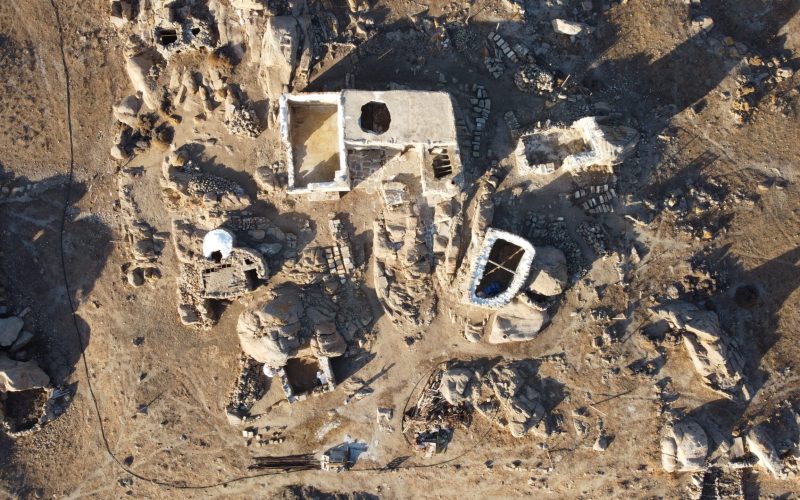
Closer examination of the farmhouse reveals complex structures that embed a remarkable range of materials: ancient architectural fragments from a nearby Hellenistic house, iron rails originally used by French archaeologists for transporting excavation soil and later repurposed by farmers as ceiling beams, alongside traditional Cycladic building elements. This fundamentally hybrid character, where ancient, vernacular, and modern materials coexist, presents both practical and conceptual challenges for restoration, and offers a unique focus for investigating how different knowledge systems have shaped this landscape over time.
The Restoration Approach
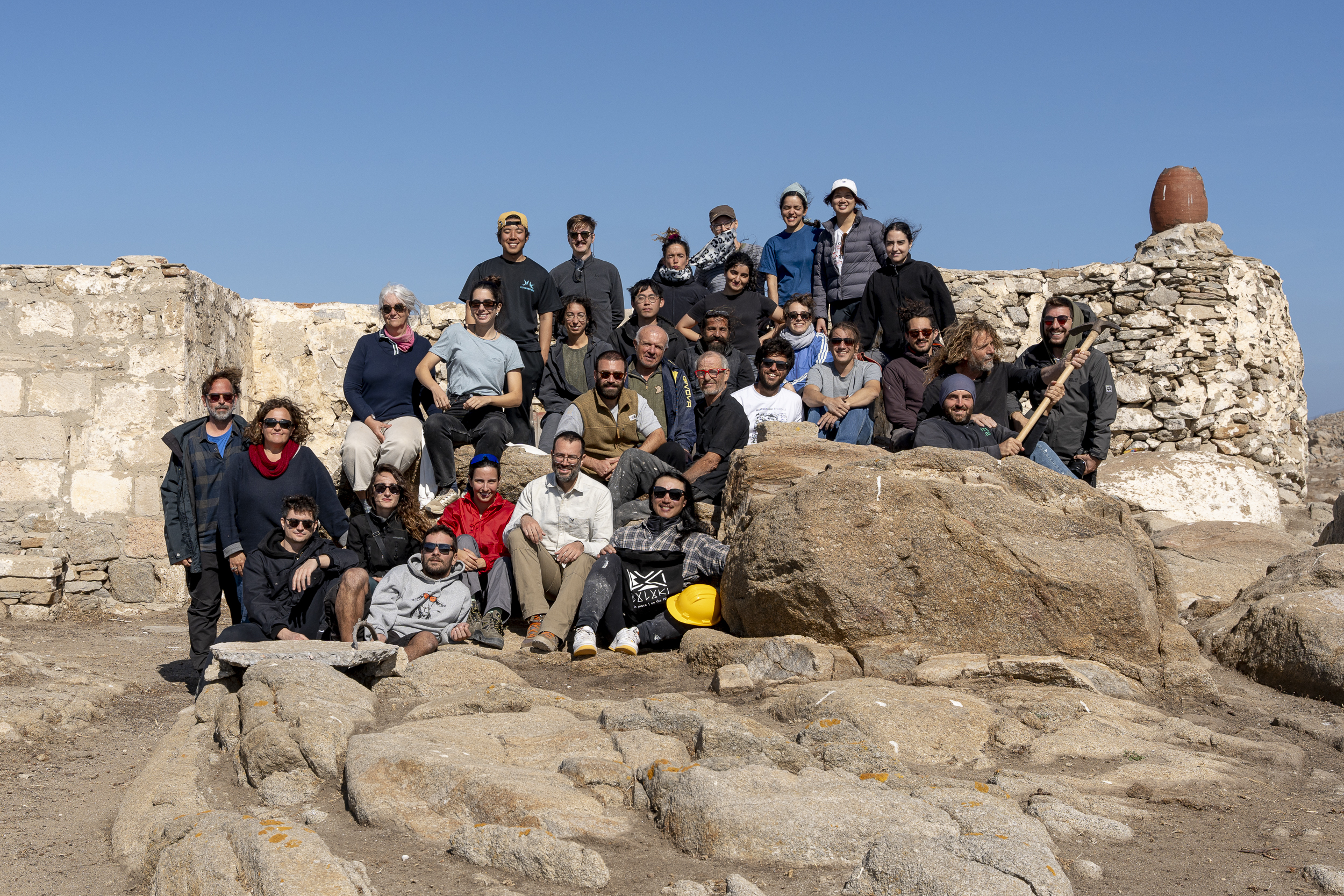
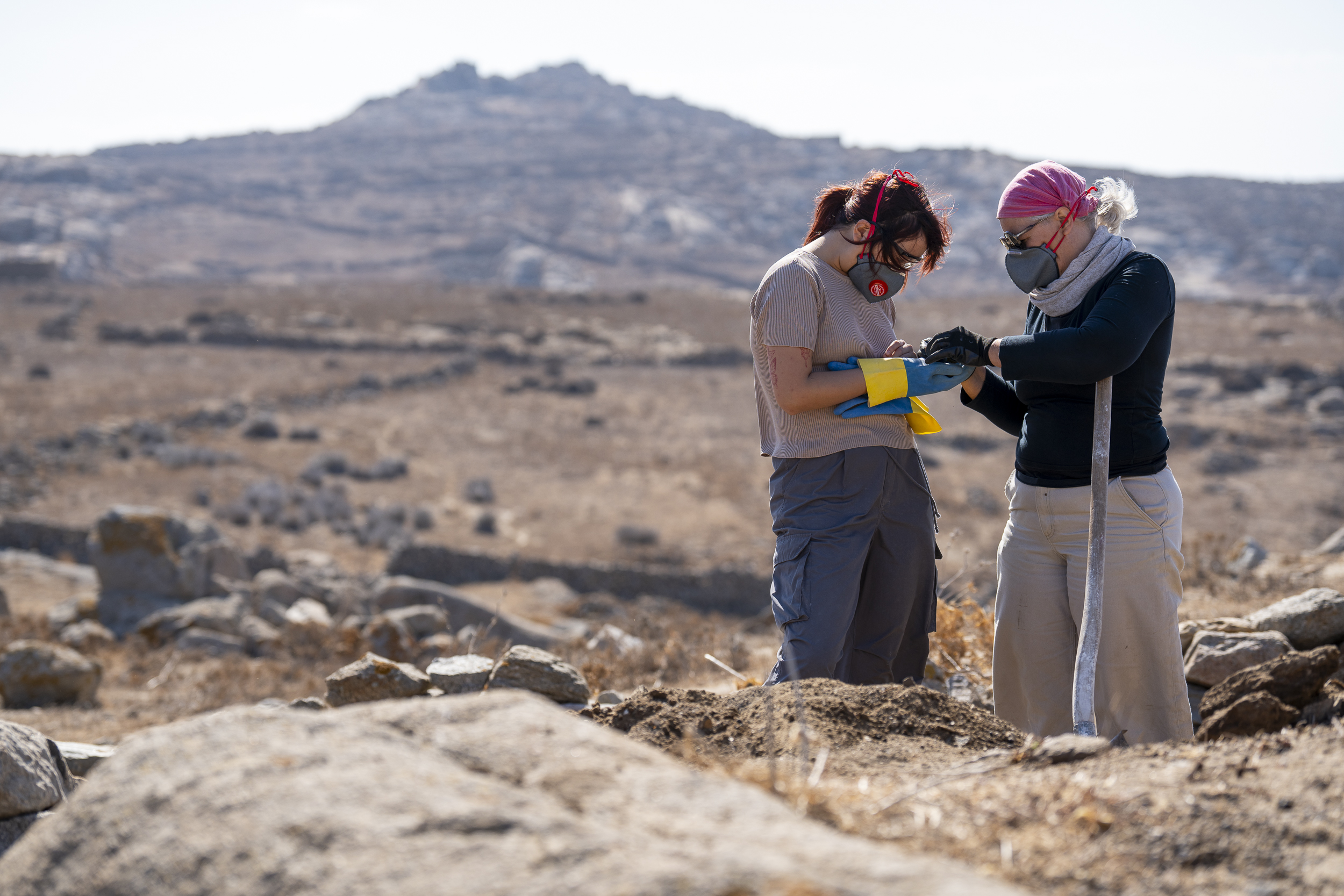
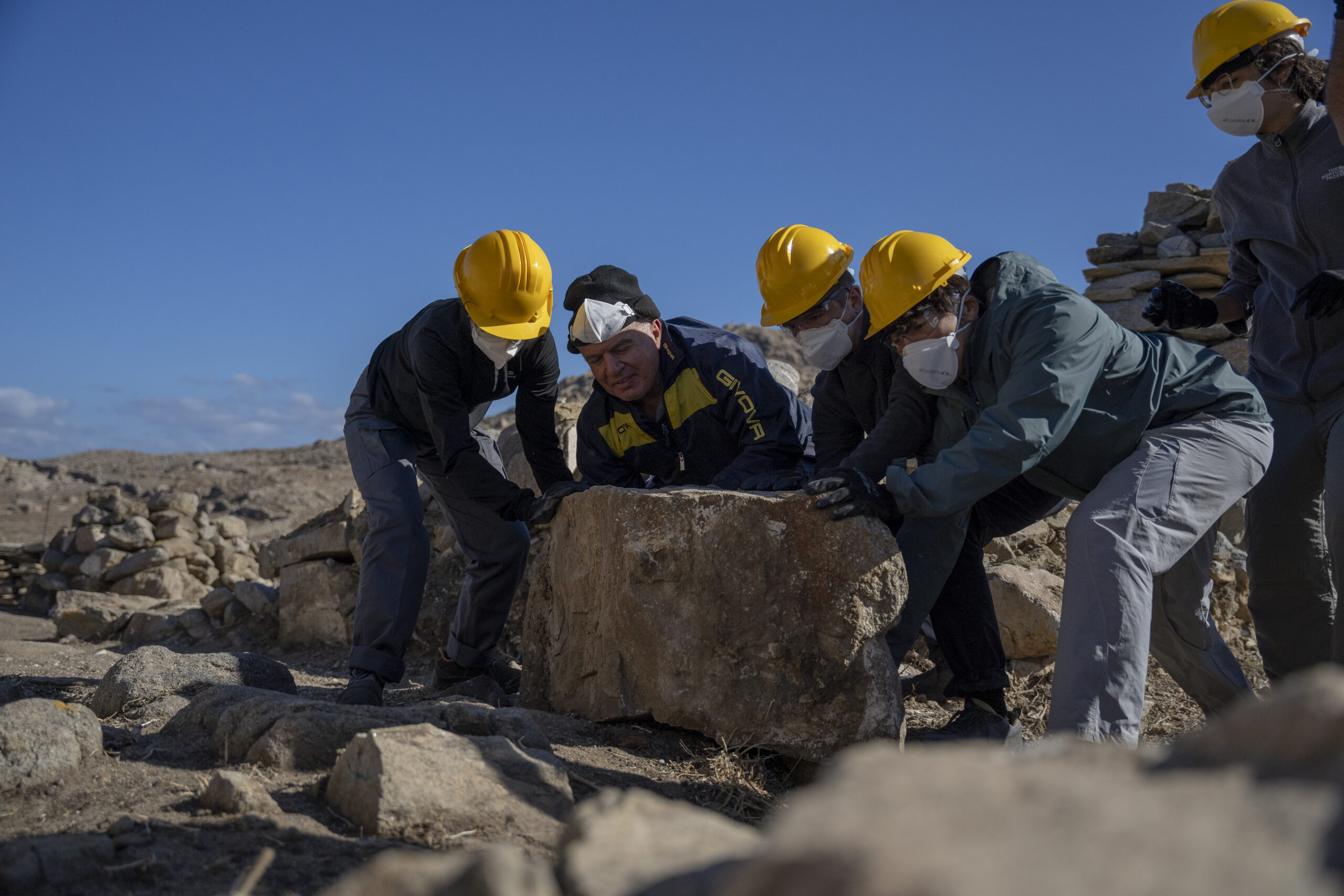
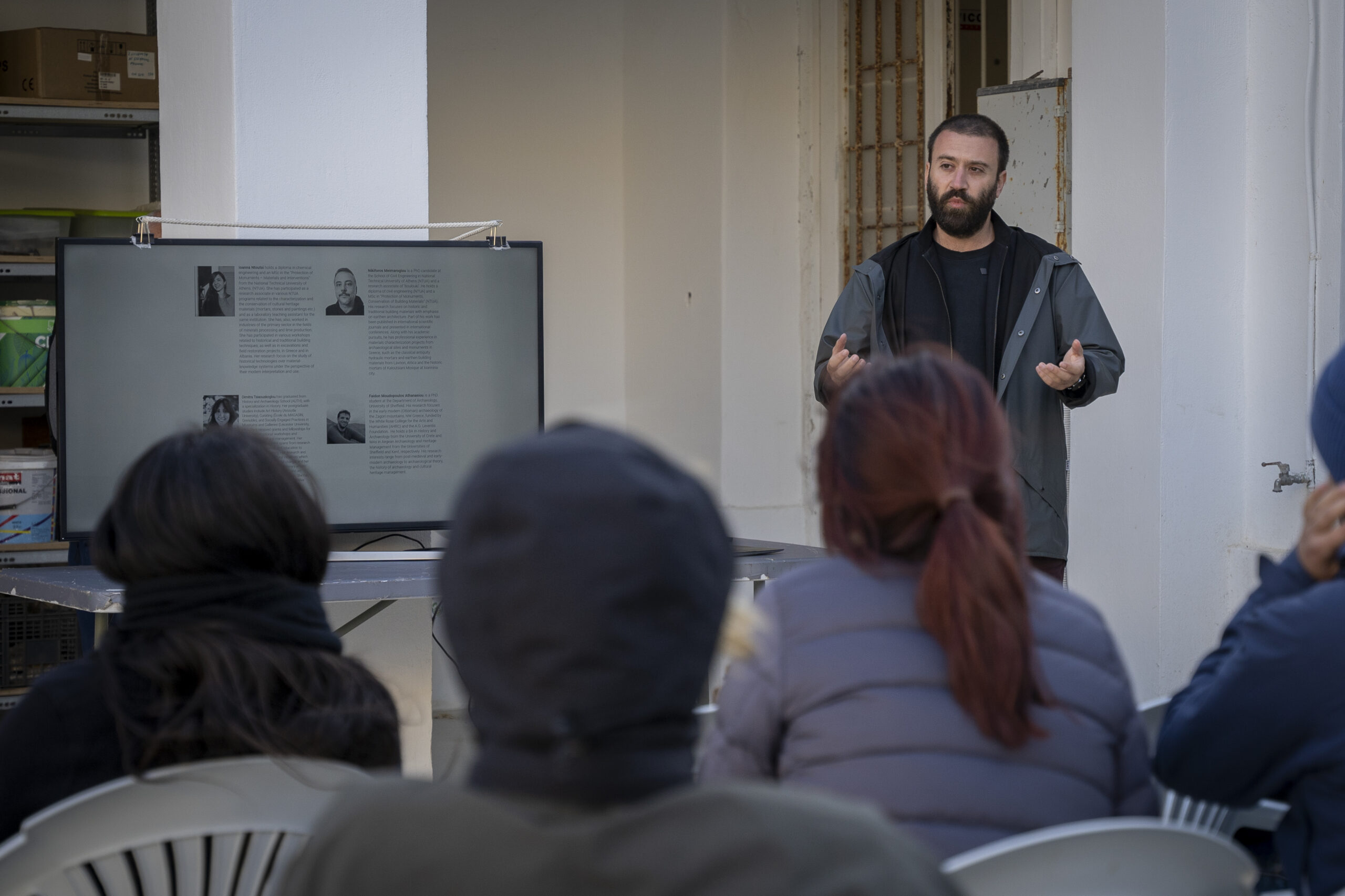
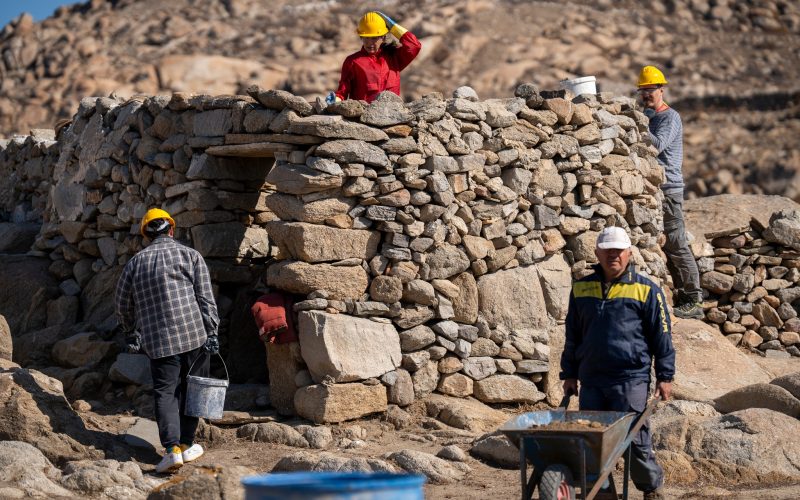
In keeping with Boulouki’s established methodology, the restoration work combines construction with education. The project is carried out through hands-on workshops and professional apprenticeships in traditional building techniques, in collaboration with Boulouki’s experienced craftspeople. Alongside the building work, the team is developing sustainable systems for water collection, energy generation, and waste management. These low-impact solutions are designed to support habitation on a remote heritage site without dependence on external infrastructure, a model with broader relevance for archaeological sites facing climate pressures.
Connected Projects
In the autumn semester of 2025, Boulouki leads a design studio at the ETH Zurich Department of Architecture titled Delos: Archaeologies of Reuse, Architectures of Resurgence. The studio challenges students to develop comprehensive strategies for revitalizing the island’s network of rural structures, investigating how traditional building knowledge can inform contemporary approaches to adaptive reuse, ecological design, and heritage interpretation.
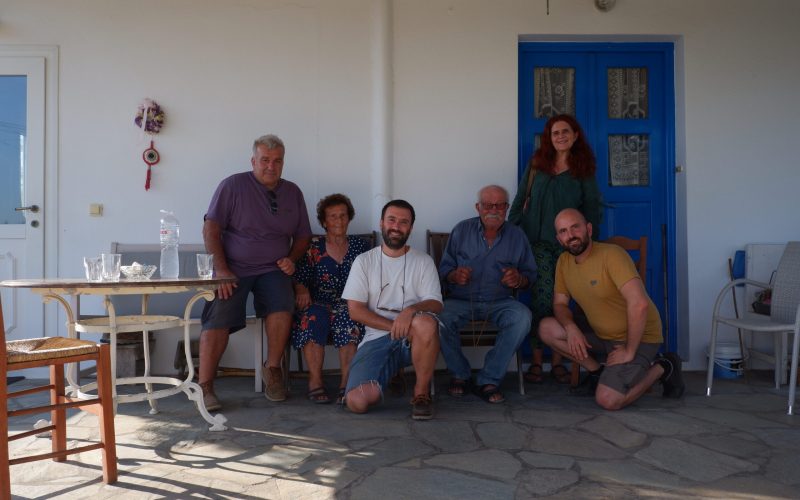
In parallel, Boulouki is conducting interdisciplinary research, in collaboration with social anthropologist Despina Nazou, on the rural heritage of the Mykonos-Delos-Rhenia island complex, a heritage that remains largely invisible, overshadowed by Delos’s archaeological prominence. Drawing on shared methodological tools, oral interviews, field research, and archival work, this research unfolds along two complementary strands. The first is an ethnographic study of people and families who lived and worked on the island during the last half-century, including the children of site guards and seasonal workers, a heterogeneous community united by biographical ties to Delos. The second strand focuses on the Mykonian farmers who worked as excavation laborers from the late nineteenth century through the mid-twentieth century. These “farmer-excavators” developed what might be called folk archaeologies: ways of engaging with ancient ruins through practical reuse and intimate familiarity, rather than the cultivated distance of institutional archaeology. Their dwellings, which incorporate ancient spolia alongside vernacular building traditions, are material expressions of this distinctive relationship with the past.
Collaborations and Support
Boulouki organizes this work in collaboration with the Ephorate of Antiquities of the Cyclades and the French School of Athens. The restoration project is supported by the J.M. Kaplan Fund. The research is funded by the Museum of Cycladic Art, through its Cycladic Identity program, and by the Stavros Niarchos Foundation, through the Stavros Niarchos Foundation Public Humanities Initiative at Columbia University.




Info
Location
Mykonos-Delos-Rhenia
Date
20/10/2024 - 5/12/2025
Supporters
ETH Zurich, Museum of Cycladic Art Initiative, Cycladic Identity, Initiative for Public Humanities of Stavros Niarchos Foundation (SNFPHI) at Columbia University
Funding
J.M. Kaplan Fund
Partners
Cyclades Antiquities Authority, French School of Athens
Collaborators
Lynette Widder, Hélène Wurmser, Despina Nazou, Marilena Mela, Nikos Magouliotis, Faidon Moudopoulos-Athanasiou, Michalis Prodromou, Kostas Latoufis, Nicolas Bedau, Orestis Mitsos, Katerina Krupitskova, Markos Koulelis
Tutors
Dimitris Chiou, Kostas Noou, Georgios Anastasiadis, Dominic Taylor (Stagones), Socratis Socratous, Giannis Dellatolas
Coordinators
Ionas Sklavounos, Grigoris Koutropoulos, Giorgos Tzavaras, Nikiforos Meimaroglou, Panos Kostoulas, Evdokia Pagkrati, Elena Terzi
Photography
Yorgos Kyvernitis, Thanos Tsantas, Ionas Sklavounos(BLK), Grigoris Koutropoulos(BLK), Εuropeana
Related Resources
No results found.
Related News
19/10/2025 – 5/12/2025
Mykonos-Delos-Rhenia
20/10/2024 - 26/10/2024
Mykonos-Delos-Rhenia