header EKMP British Museum

Documenting the Traditional Lime Kilns Technology Across the Albanian-Greek Border

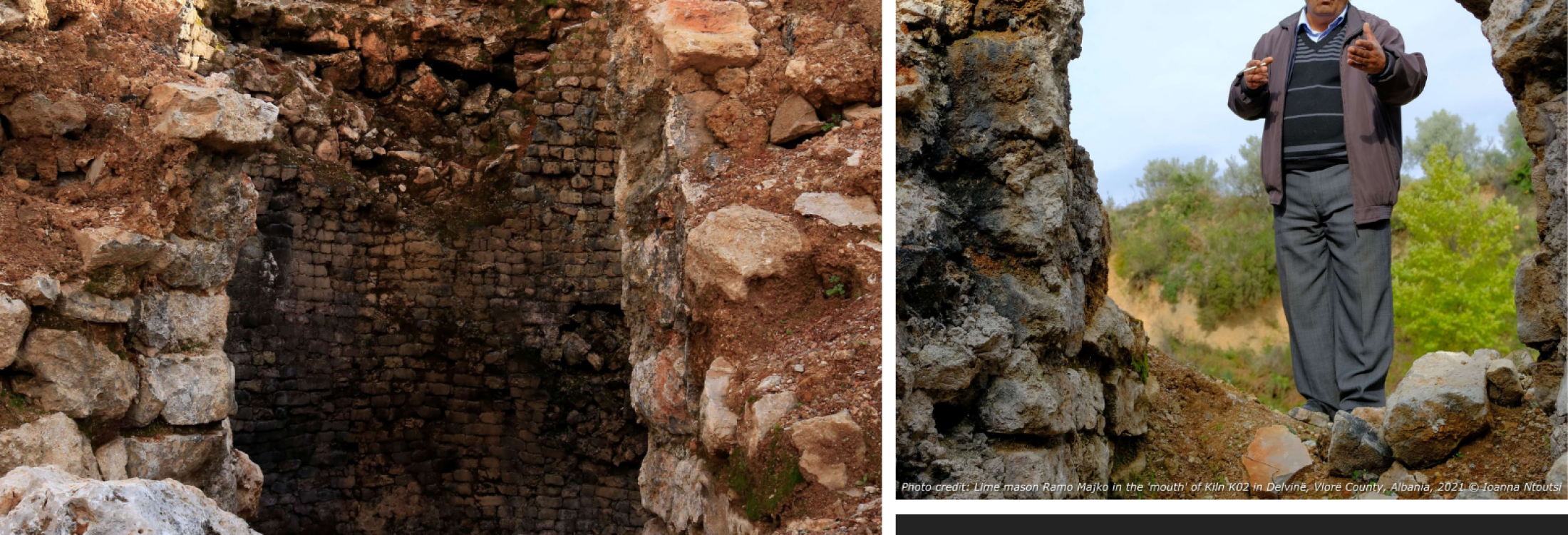
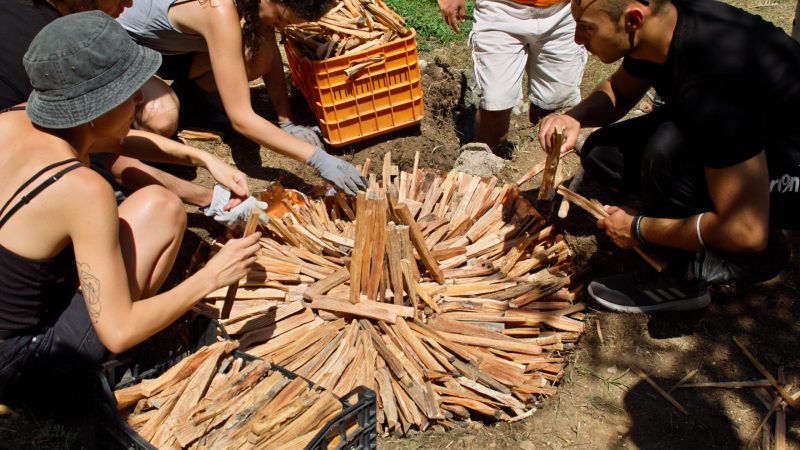
‘Burning the Bones of the Earth’ was initiated in November 2021 and concluded two years later, following extensive field research in several locations of Epirus in NW Greece and in regions of S. Albania. Its objective was to trace and document the traditional craftsmanship of wood-fired, flare-type lime kilns on both sides of the border; to explore the knowledge, practice, and social dimensions regarding the lime kiln technology and the ways it evolved in the two neighbouring countries. Full documentation of the project was uploaded at the British Museum’s Digital Resources Website on November 2025 and is now fully accessible to the community. In this resource you can find the documentation guide (downloadable file) and the full programmes website:

Burning the Bones of the Earth — Documenting the Traditional Lime Kilns Technology Across the Albanian-Greek Border

The file is available in English.

Date: 2 November 2025

See also...

This study examines the traditional technology of pine tar kilns in Greece, focusing on the case of Distrato in Epirus, where the last traditional artisans reside. Pine tar (katrami) is a viscous liquid produced by the destructive distillation of resinous wood, primarily from pine trees. This practice has a long history globally and in the Mediterranean, with applications in medicine, cosmetics, fuels, and waterproofing for construction and shipbuilding.

Authors: Christos Theocharis, Ioanna Doutsis, Panos Kostoulas, Grigoris Koutropoulos

The file is available in French.

The following decrees were issued as a result of open dialogue, scientific exchange, and collective processing, as part of actions carried out by the Itinerant Workshop on Traditional Building Techniques “Boulouki” in collaboration with local authorities, scientific organizations, and collectives in the context of the Reappearances Project.

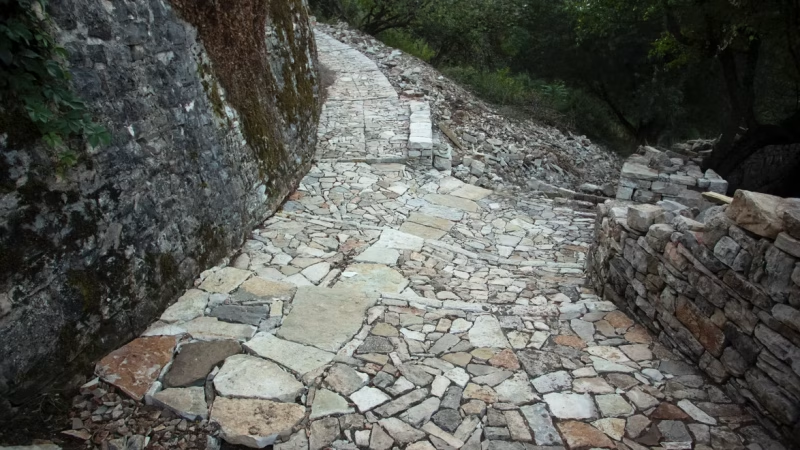
They address the protection, conservation, and sustainable management of cultural landscapes, with an emphasis on the use of local materials, dry stone construction, and the connection of material heritage with the contemporary needs of local communities. The texts reflect commonly accepted positions, proposals, and policy guidelines, highlighting the importance of traditional knowledge, participatory restoration, and the judicious use of natural resources.


The file is available in Greek.

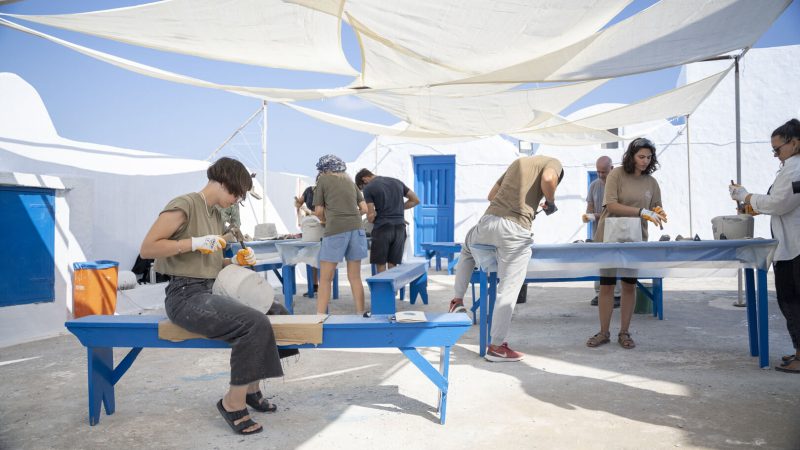
As part of the project, we developed a technical handbook on how to design and implement inclusive and environmentally sustainable restoration and new construction projects by training young craftspeople and incorporating historic building techniques. The handbook is aimed at heritage institutions and architectural heritage practitioners, and educators. It focuses on issues of pedagogical approach, drawing on contemporary approaches to adult education, presenting theoretical and practical tools for the design of educational processes and the inclusion of vulnerable social groups.
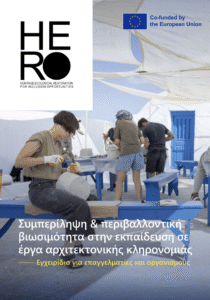
The H.E.R.O project was implemented under the Erasmus+ programme and was completed after 3 years (2021-2024) of transnational cooperation between 4 actors Acta Vista (France) leading partner, Bao Formation (France), Pour la Solidarite (Belgium), 4Grada Dragodid (Croatia), Boulouki (Greece).

The file is available in Greek, English, Croatian and French.

Privacy Overview

This website uses cookies so that we can provide you with the best user experience possible. Cookie information is stored in your browser and performs functions such as recognising you when you return to our website and helping our team to understand which sections of the website you find most interesting and useful.