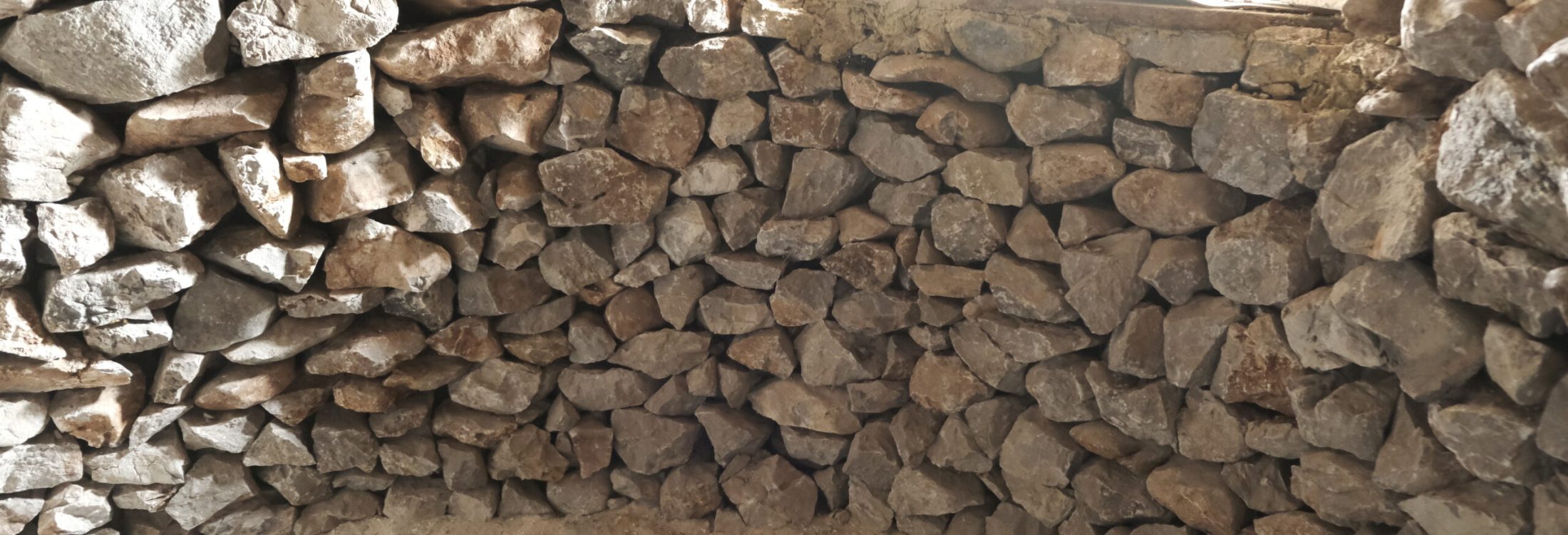
The Journal of the Building Limes Forum Burning the Bones of the Earth; Across the Albanian- Greek Border: Correlation of Ethnographic Field Notes with Scientific Knowledge”
This article presents preliminary findings from an extensive research project titled ‘Burning the Bones of the Earth’, which began in 2021. It documents the technology of traditional lime kilns in the trans-border region between Albania and Greece.
Authors: Ioanna Ntoutsi, Faidon Moudopoulos-Athanasiou.
The file is available in English.
- Tags: Lime
Rel. project: KERETSI BURNING THE BONES OF THE EARTH TZOUMERKA SCHOOL
See also...
- Documentation
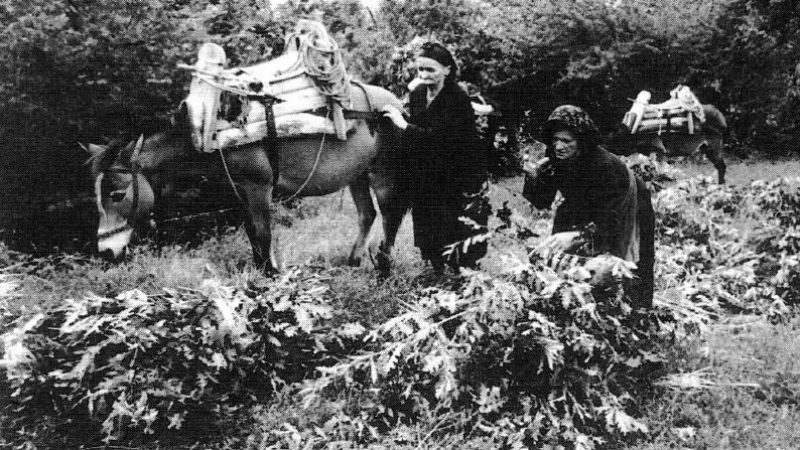
Since Boulouki has been working for years in Epirus, it has come close to the needs of local communities. In the framework of this project it aims at enhancing their livelihood and well-being by mapping ecosystems and the services they offer to the sustainable conservation of natural resources with the aim of social and economic well-being and delivering important information and skills for the management and sustainable development of the area focusing on biodiversity-related knowledge, agricultural, traditional livestock grazing practices, landscape and cultural values, traditional water infrastructures and related knowledge on sustainable use of natural resources.
The file is available in Greek.
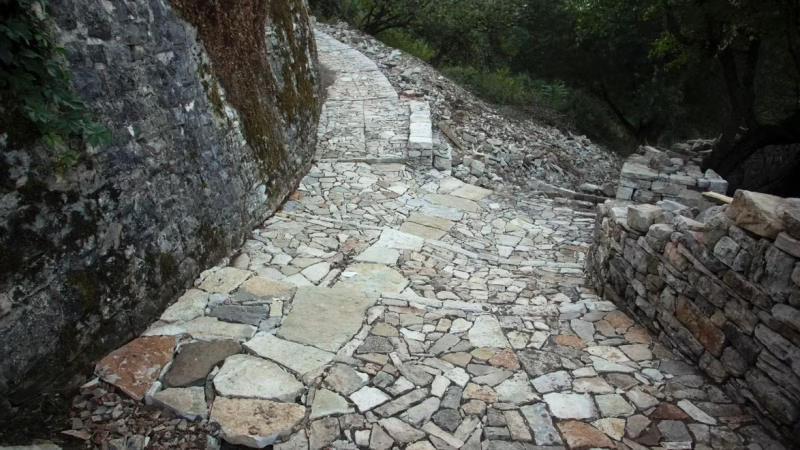
The following decrees were issued as a result of open dialogue, scientific exchange, and collective processing, as part of actions carried out by the Itinerant Workshop on Traditional Building Techniques “Boulouki” in collaboration with local authorities, scientific organizations, and collectives in the context of the Reappearances Project.
They address the protection, conservation, and sustainable management of cultural landscapes, with an emphasis on the use of local materials, dry stone construction, and the connection of material heritage with the contemporary needs of local communities. The texts reflect commonly accepted positions, proposals, and policy guidelines, highlighting the importance of traditional knowledge, participatory restoration, and the judicious use of natural resources.
The file is available in Greek.
- Documentation
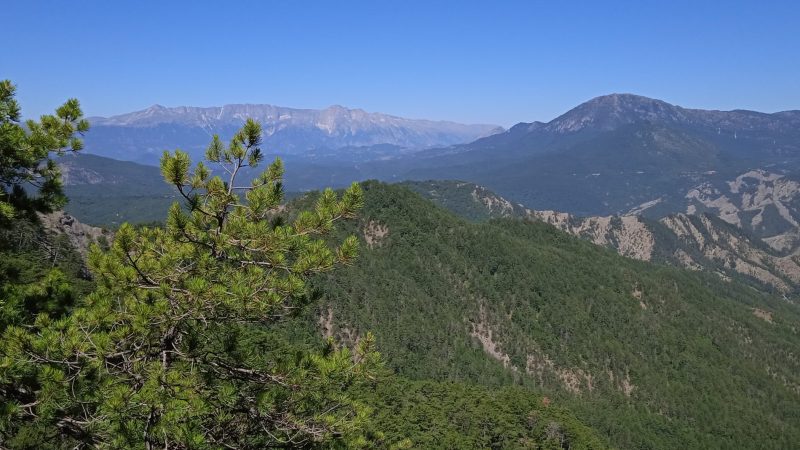
Since Boulouki has been working for years in Epirus, it has come close to the needs of local communities. In the framework of this project it aims at enhancing their livelihood and well-being by mapping ecosystems and the services they offer to the sustainable conservation of natural resources with the aim of social and economic well-being and delivering important information and skills for the management and sustainable development of the area focusing on biodiversity-related knowledge, agricultural, traditional livestock grazing practices, landscape and cultural values, traditional water infrastructures and related knowledge on sustainable use of natural resources.
The file is available in Greek.