ADELOS Phase I
Ancient technologies, traditional techniques and modern infrastructure | The Farmhouse of Markos
A hands-on workshop on the relations between ancient and vernacular forms of material knowledge and sustainable models of landscape futures
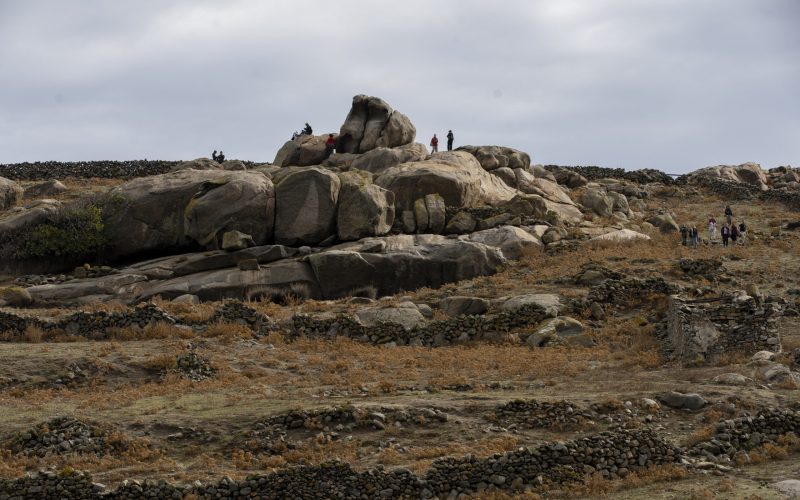
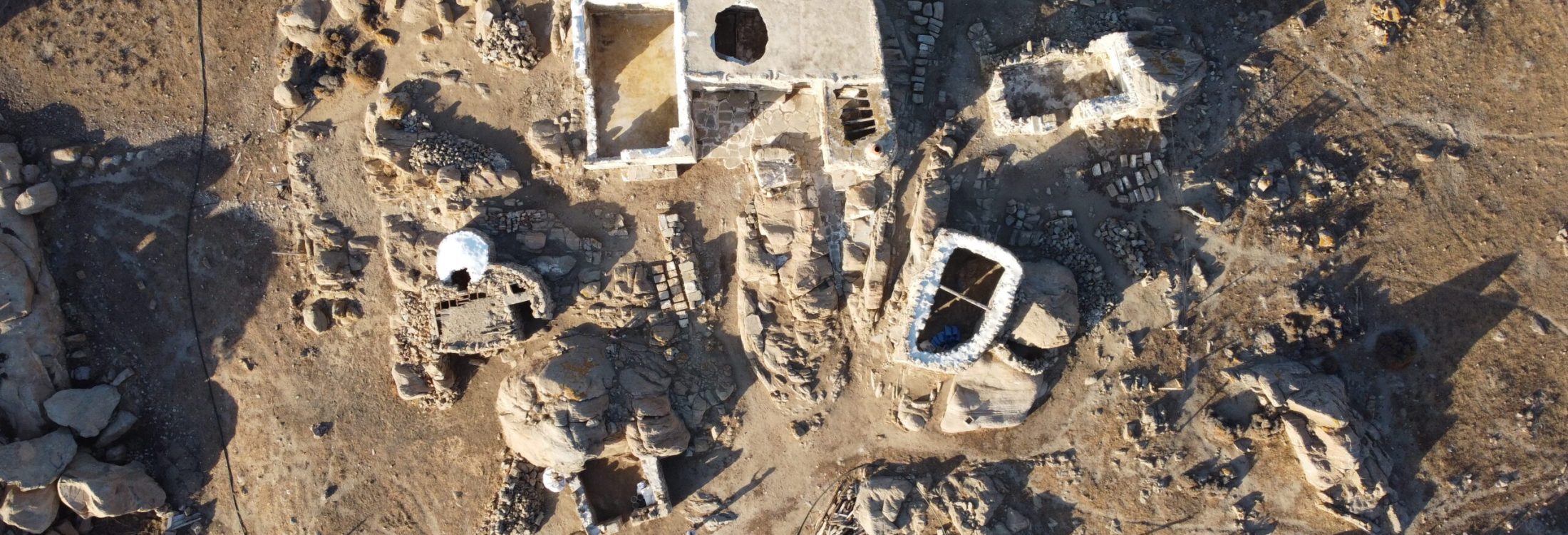
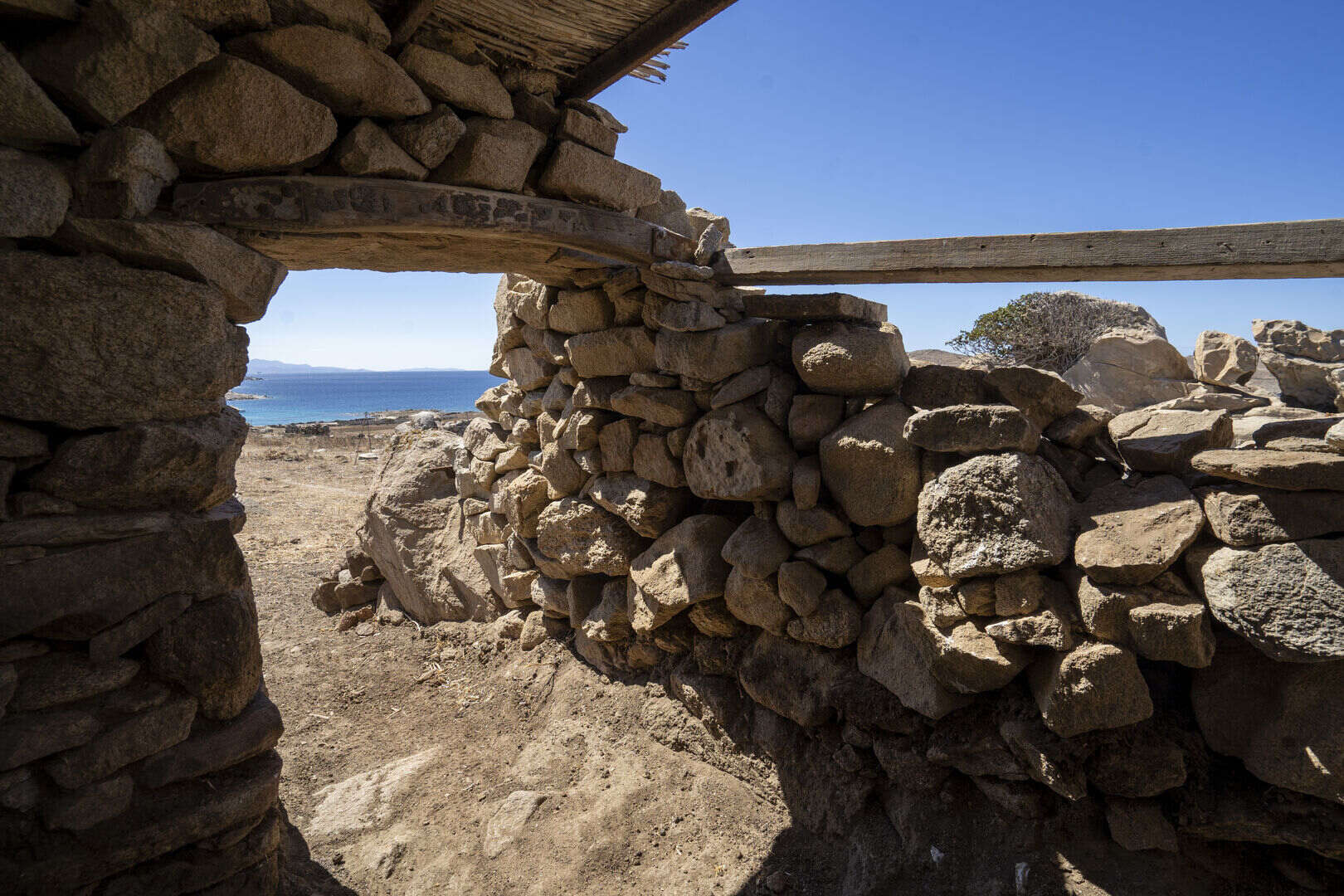
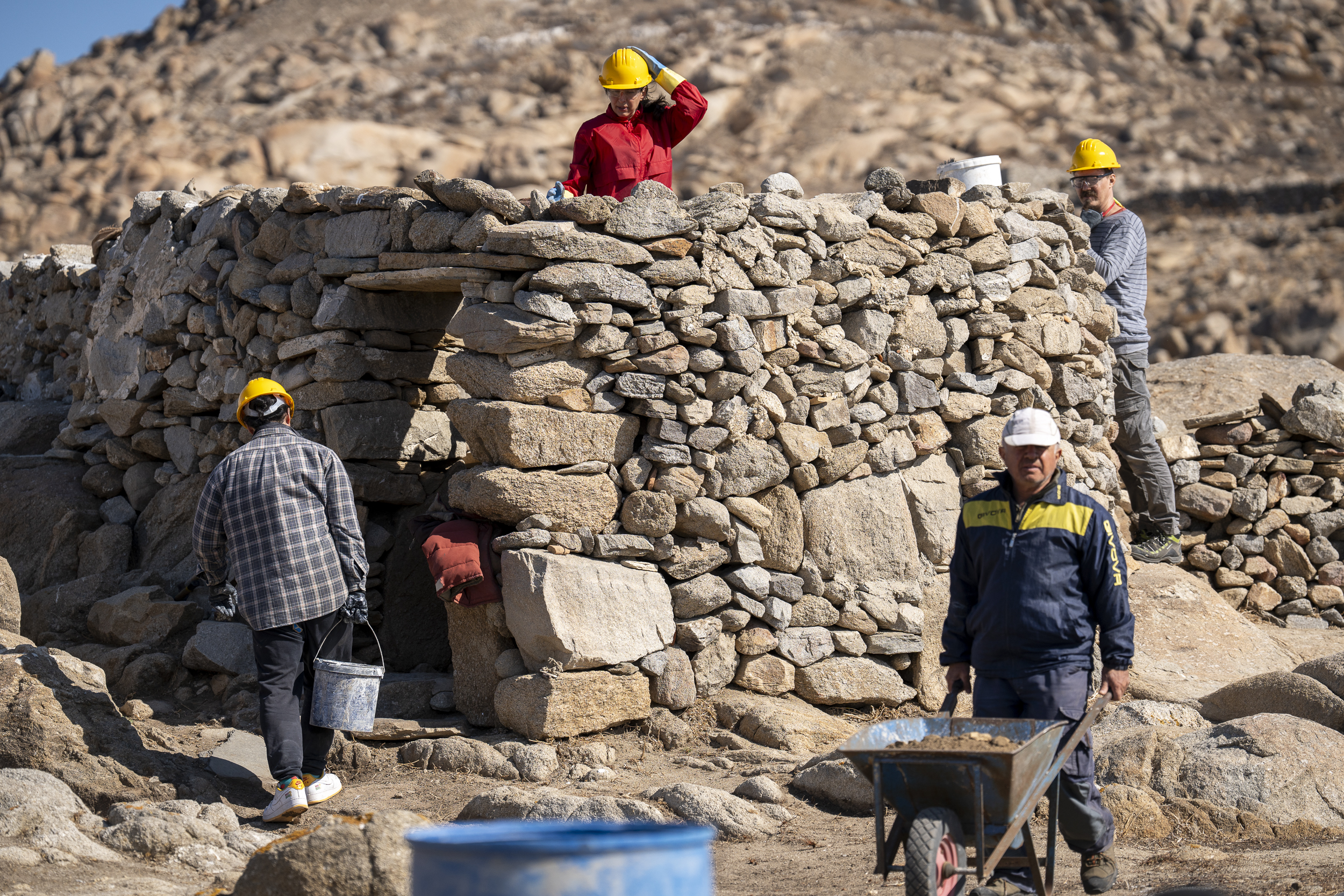
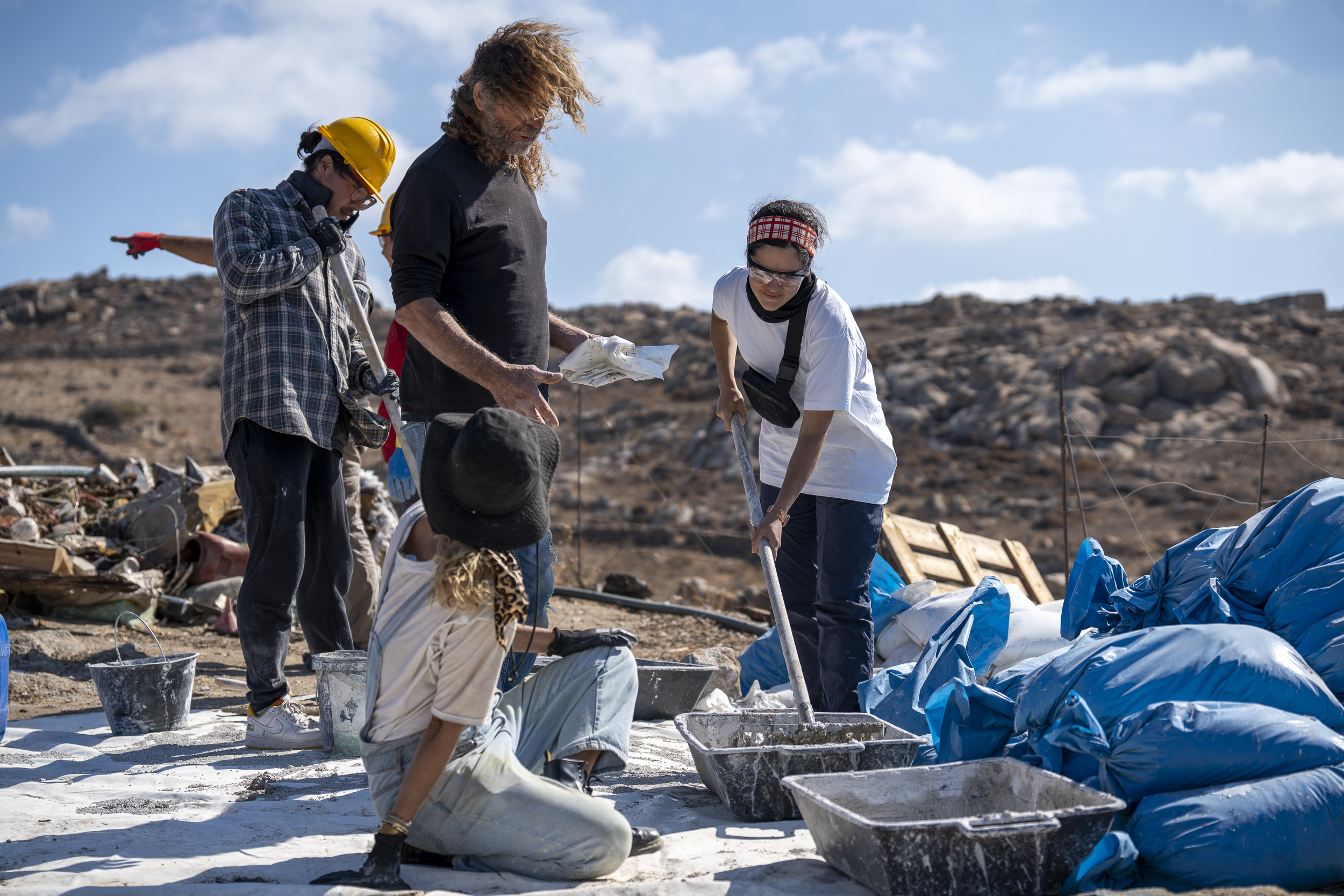
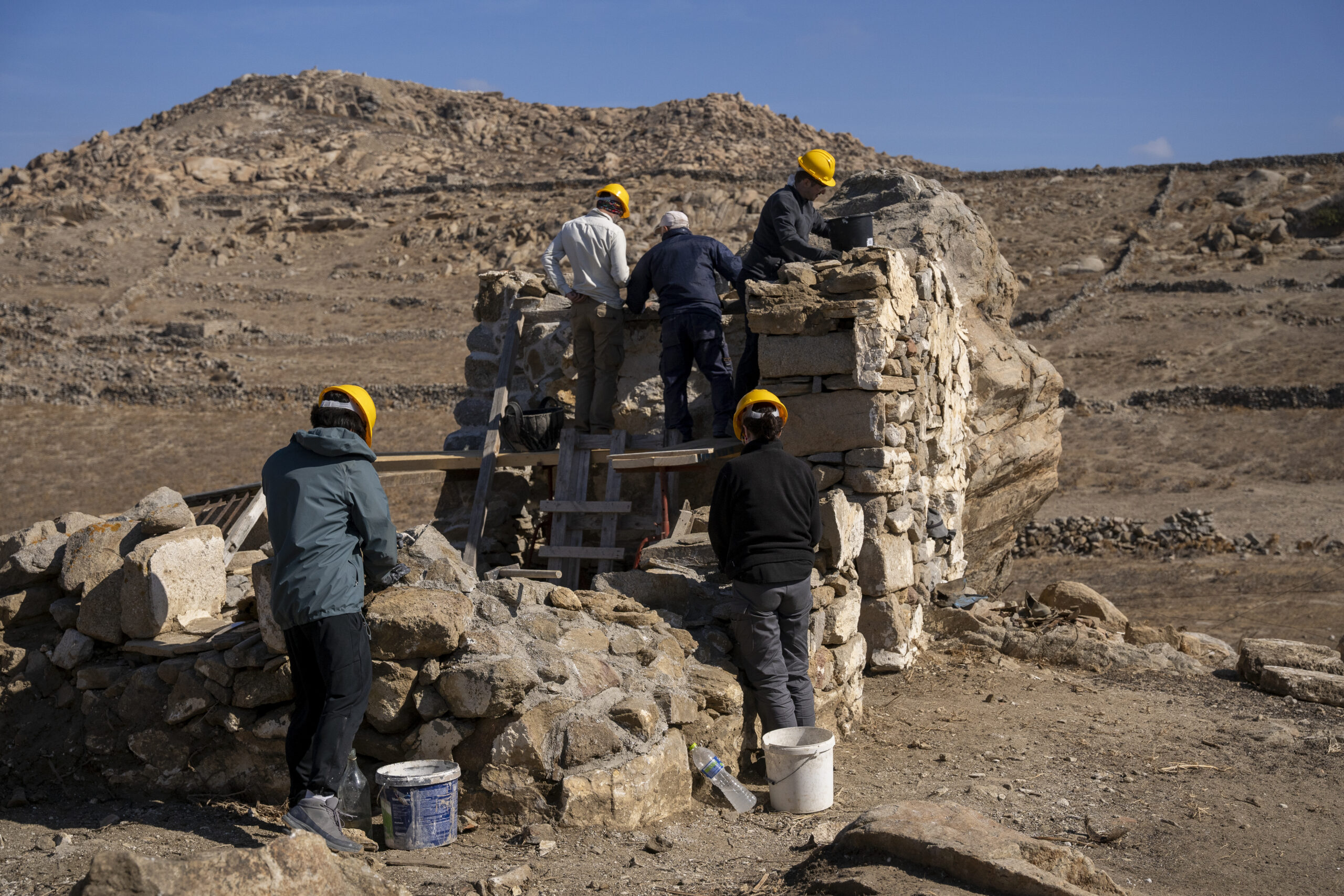
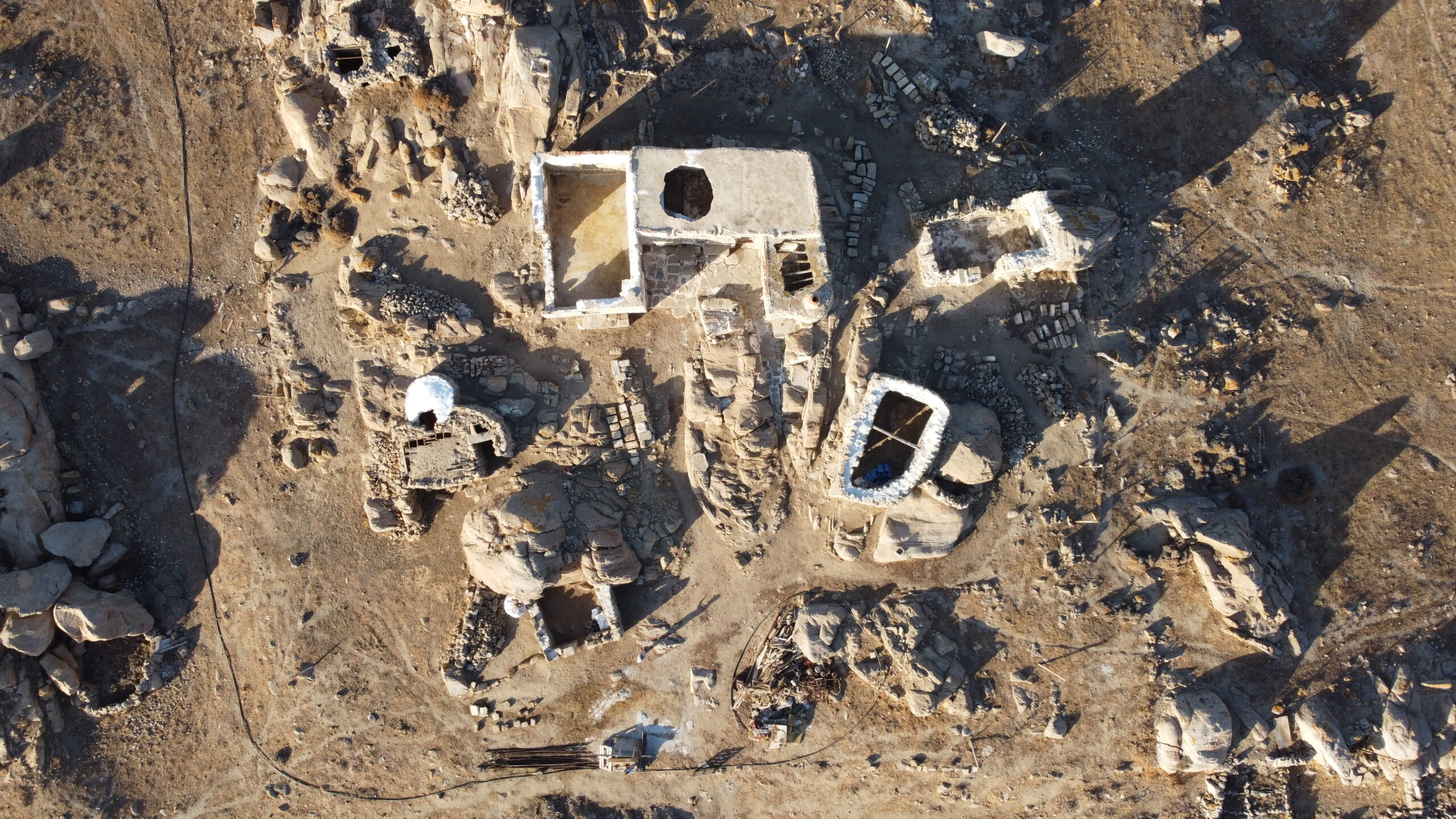
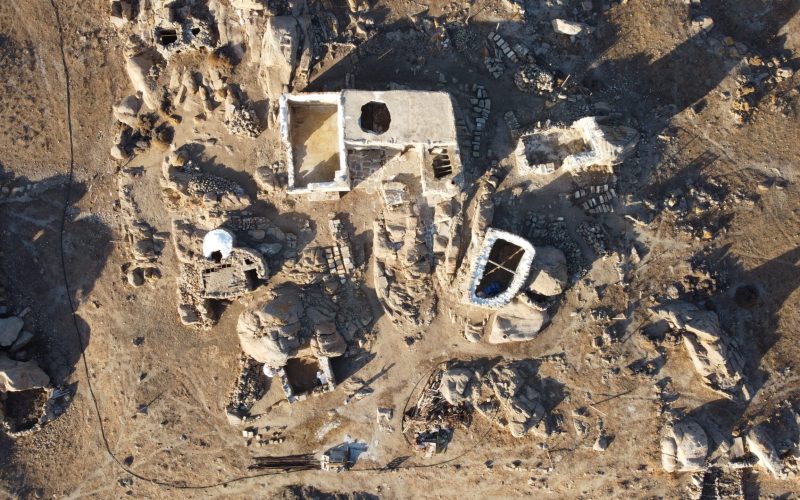
The interdisciplinary team of Boulouki, in collaboration with the Cyclades Ephorate of Antiquities and the French School of Athens, is restoring one of the surviving vernacular farmhouses of Delos, the so-called “House” or “Village of Markos”. The restoration will make use of traditional materials and practices, and will aim to create new accommodation space for researchers and practitioners involved with Delos as a heritage site. Through this project, Boulouki initiates an interdisciplinary research around the multiple relationships between ancient and traditional ways of construction and landscape management. To launch the preliminary works of the restoration, Boulouki organised a seven-day hands-on workshop between 20 and 26 October 2024.
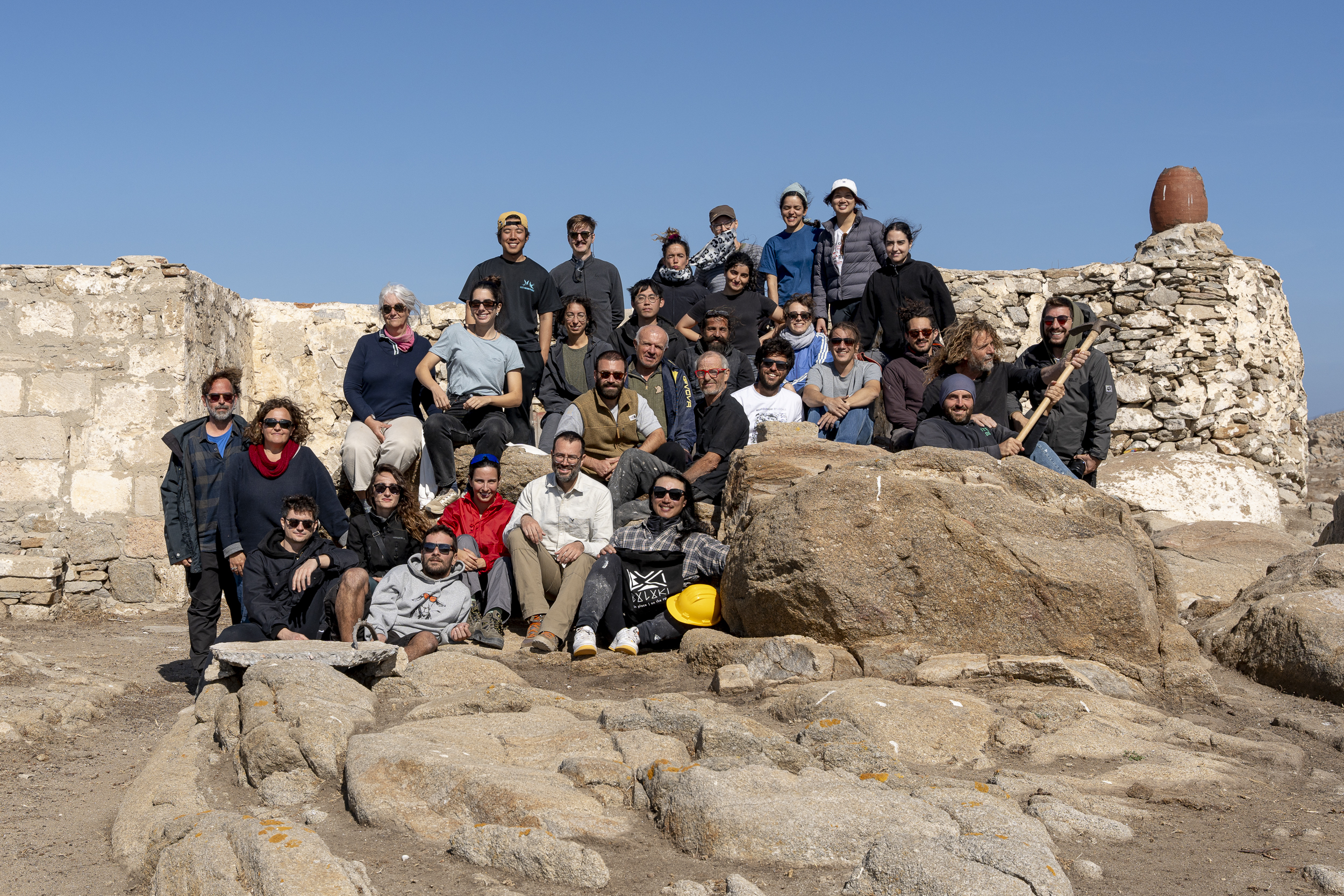
Through an open call, 15 participants were selected from a broad range of disciplines, from Greece and from abroad, including 5 students from ETH Zurich together with their Professor Teresa Galí-Izard. The participants joined the Boulouki team and other invited experts in the preliminary works of the restoration of the buildings that comprise the farmhouse of Markos. The goal of this hands-on involvement was to uncover and map the unexpected entanglements of ancient, vernacular, and modern forms of knowledge embedded in this rural complex. Through this study, the workshop attempted to draw lessons on the sustainable coexistence with the landscape and propose solutions for the management of water, energy, and waste of the restored farmhouse.
δῆλος (delos)
visible, clear, evident, manifest
ἄδηλος (ádelos)
not visible or unknown
Implicit, obscure, difficult to understand
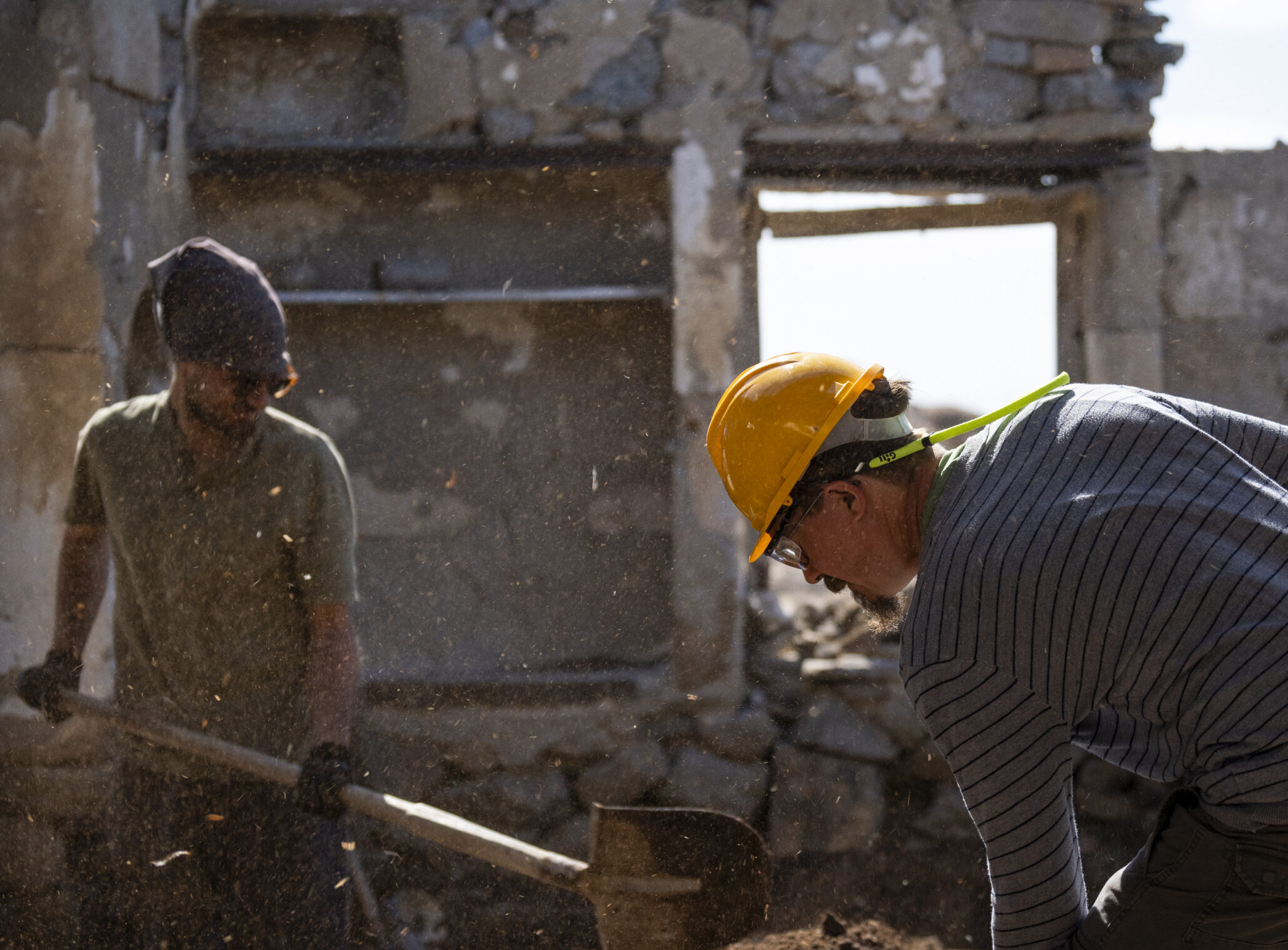
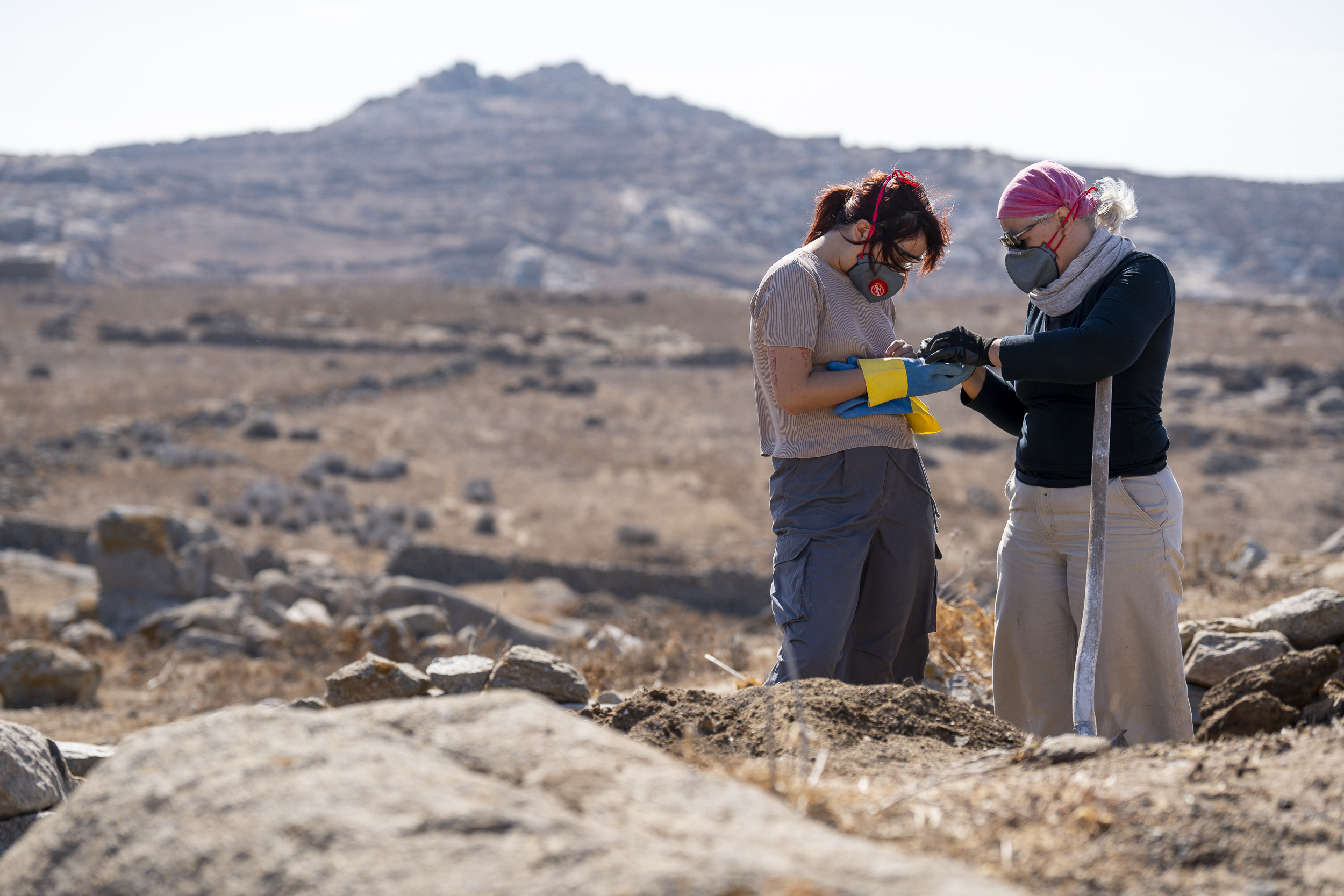
The workshop, which took place in Delos, included a wide range of activities: During the mornings, we worked in situ in the house of Markos, doing preliminary restoration and maintenance works. These involved cleaning of the buildings, stabilization and reinforcement of their masonry, documentation and classification of the different material elements and architectural components incorporated into this agricultural complex. The second half of the day was dedicated to tours of the island, discussions with local residents and experts, lectures on various themes (architecture and construction, archaeology, history, anthropology, as well as experiential narratives), and design sessions focused on the future of the house of Markos. Through these different activities, we aim to uncover aspects of the implicit (adelos) knowledge that is embedded in the landscape and use it to think about scenarios for the sustainable future of the restored farmhouse.
Preparatory works: Through the preliminary works that precede the restoration, we are undertaking a thorough examination of the ruined buildings, with the aim of uncovering the knowledge embedded within: the building practices of local farmers and their guiding principles. We are investigating the materials, techniques, and building standards used in construction, while also exploring how these are connected to the management of the island landscape of Delos.
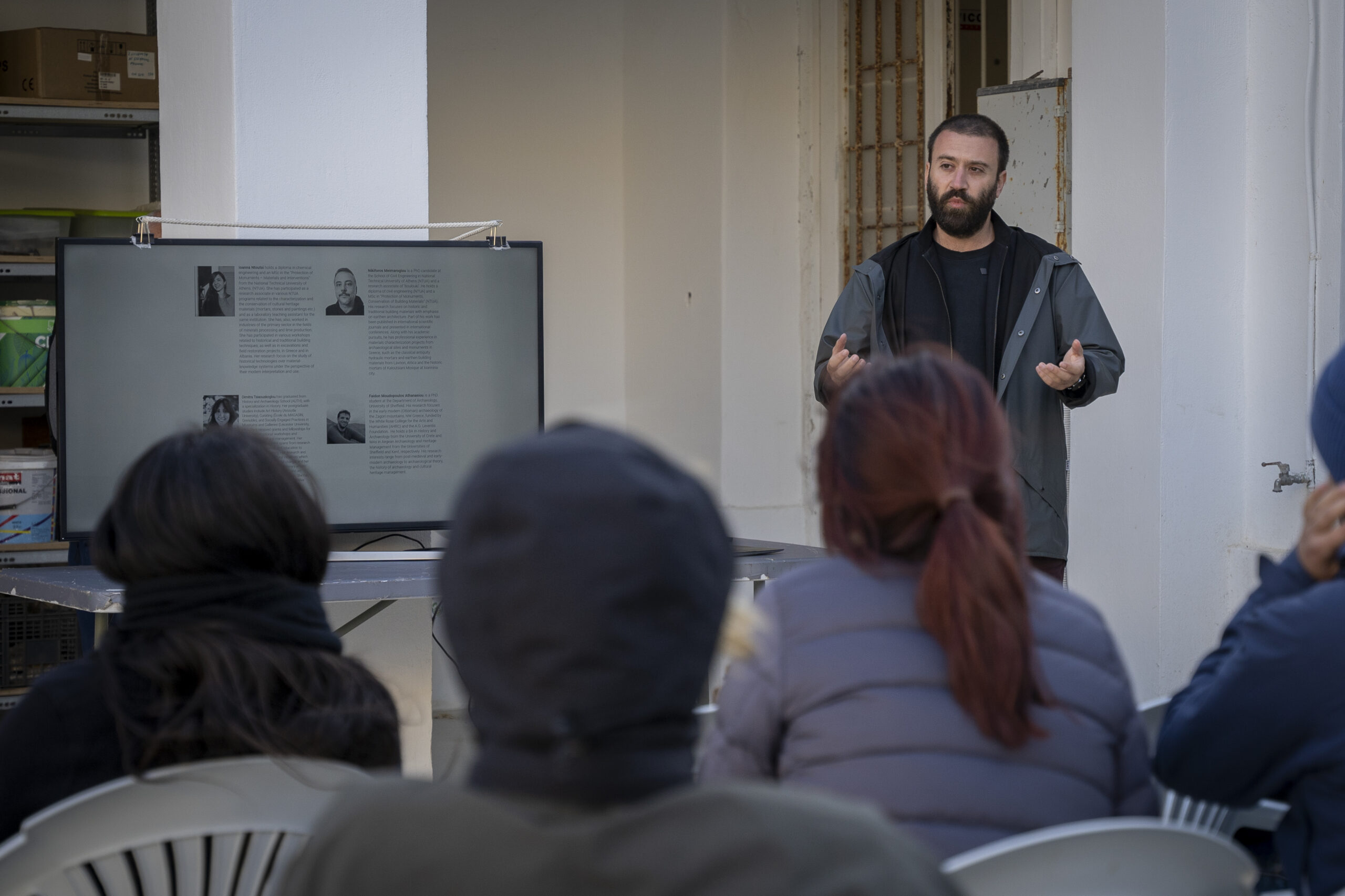
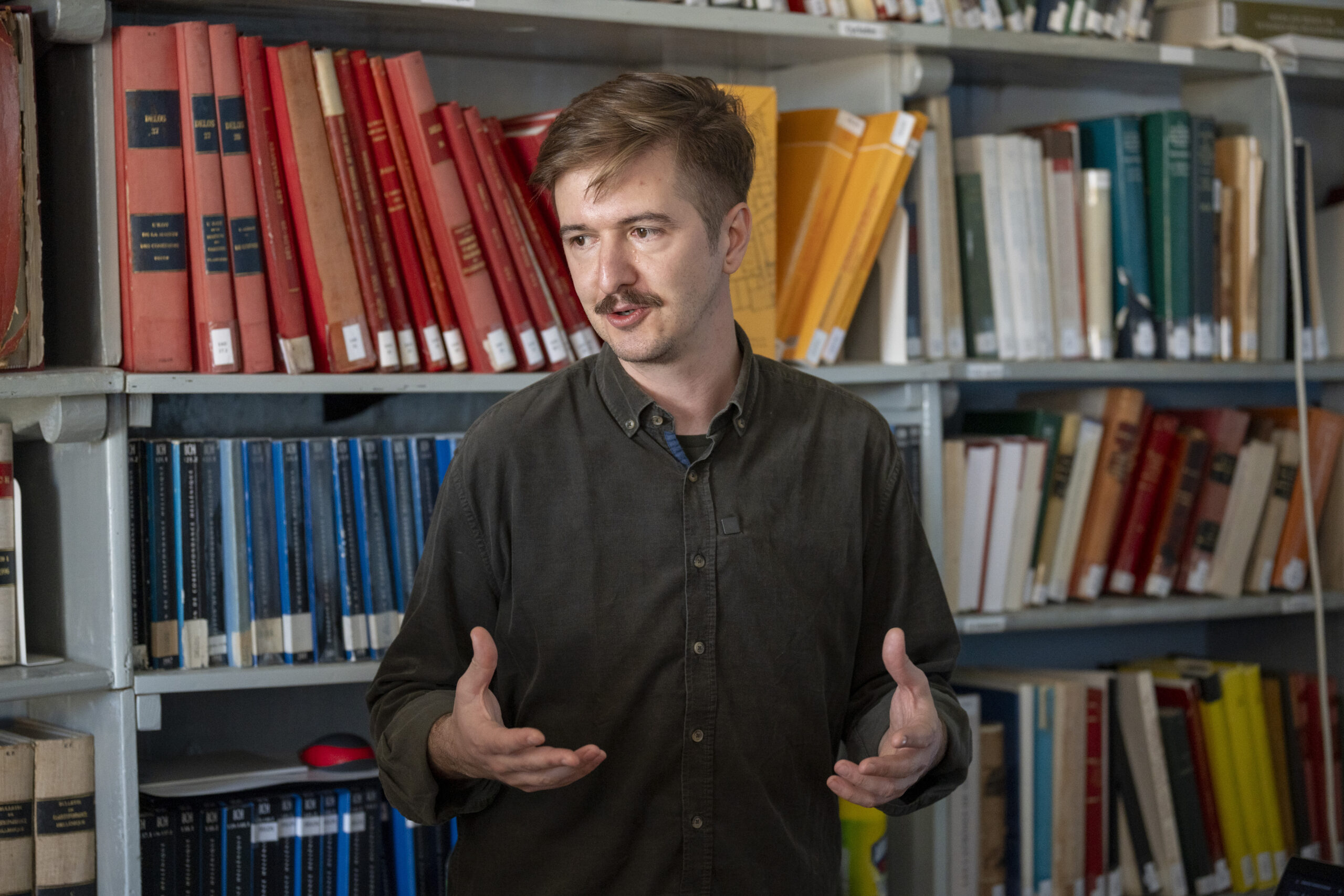
Visits, walks, presentations: This hands-on exploration was complemented by visits and tours of the landscape surrounding the farmhouse and the neighboring “House of the Fourni”, the archaeological site and museum of Delos, as well as other ruined farmhouses on the island. These tours were led by professor Hélène Wurmser, a researcher with a wealth of experience in the field of Delos. The programme of the workshop was also enhanced by the particularly interesting presentations of our collaborators Marilena Mela, Nikos Magouliotis, Phaedon Moudopoulos, and Kostas Latoufis, with the main aim of deepening our understanding of the complex dialogues that the local rural populations developed with the remnants of the urban civilizations of antiquity.
Afternoon design sessions: Through drawings, sketches, diagrams, texts, and photographs, and all kinds of recording and representation media, the participants of the workshop worked on the question of infrastructure and facilities of the restored farmhouse in innovative ways, seeking contemporary solutions for the management of water, energy, and waste of the restored agricultural complex. Following lessons from ancient and vernacular knowledge systems, we attempt to approach Markos’ “village” in a holistic manner, integrating technical functions, practical uses, and artistic or symbolic engagements with the landscape, beyond strictly technical concerns.
Info
Location
Mykonos-Delos-Rhenia
Date
20/10/2024 - 26/10/2024
Supporters
Municipality of Mykonos
Sponsors in kind
Delos Market, Captain's, Oregano, Hotel Olia, Pension Alexandra, Soul Mates, Mykonos Farmers, Zymoto, and Blue Star
Funding
J.M. Kaplan Fund
Partners
Ephorate of Antiquities of Cyclades, French School of Athens
Collaborators
Hélène Wurmser, Marilena Mela, Nikos Magouliotis, Faidon Moudopoulos-Athanasiou, Michalis Prodromou, Kostas Latoufis, Nicolas Bedau, Orestis Mitsos
Tutors
Dimitris Chiou, Kostas Noou, Georgios Anastasiadis, and Dominic Taylor (Stagones)
Coordinators
Ionas Sklavounos, Grigoris Koutropoulos, Giorgos Tzavaras, Nikiforos Meimaroglou, Panos Kostoulas
Photography
Yorgos Kyvernitis, Thanos Tsantas, Ionas Sklavounos(BLK), Grigoris Koutropoulos(BLK), Εuropeana
Related Resources
No results found.
Related News
No results found.

20/10/2024 - 5/12/2025
Mykonos-Delos-Rhenia
20/10/2024 - 26/10/2024
Mykonos-Delos-Rhenia