
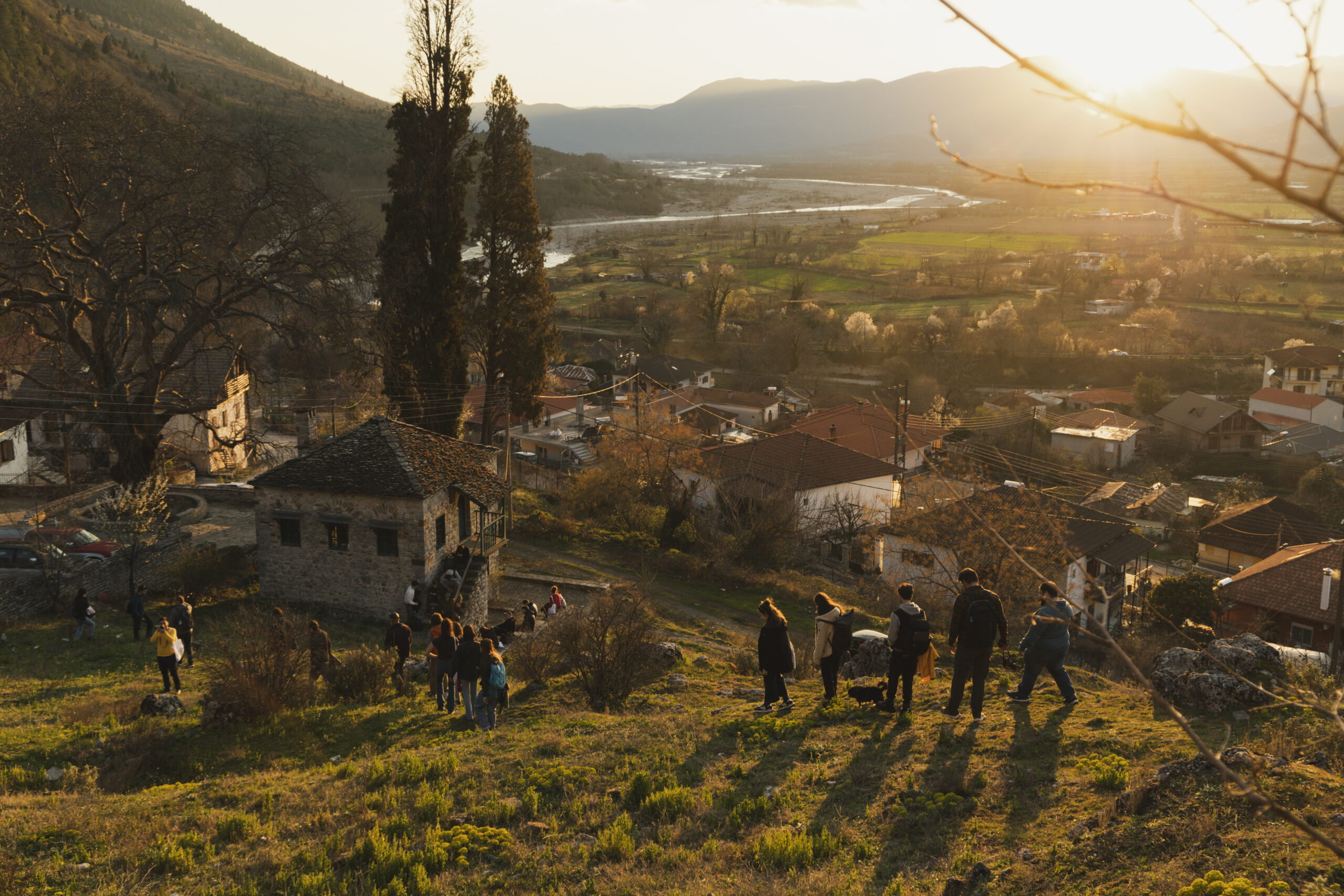
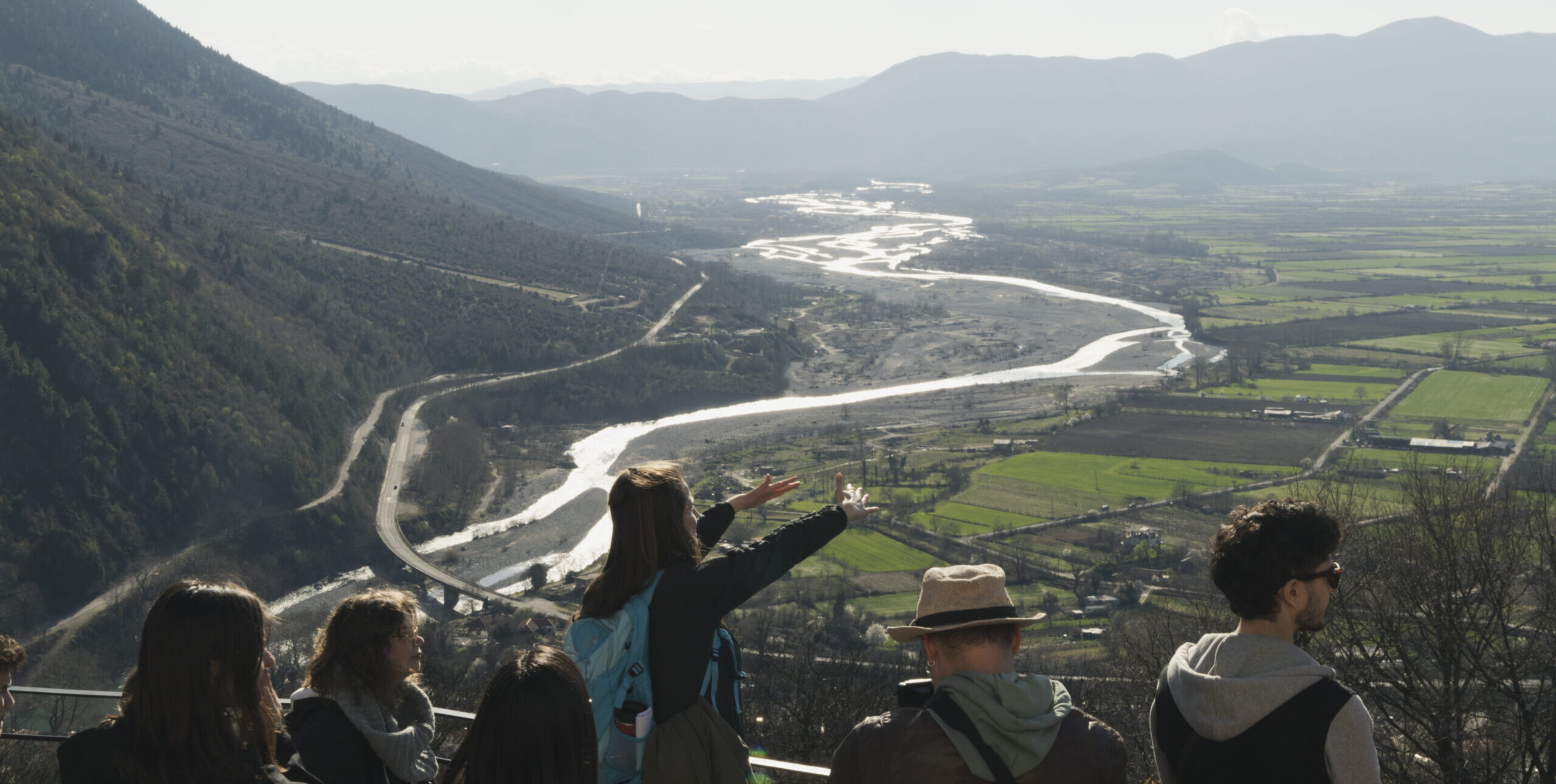
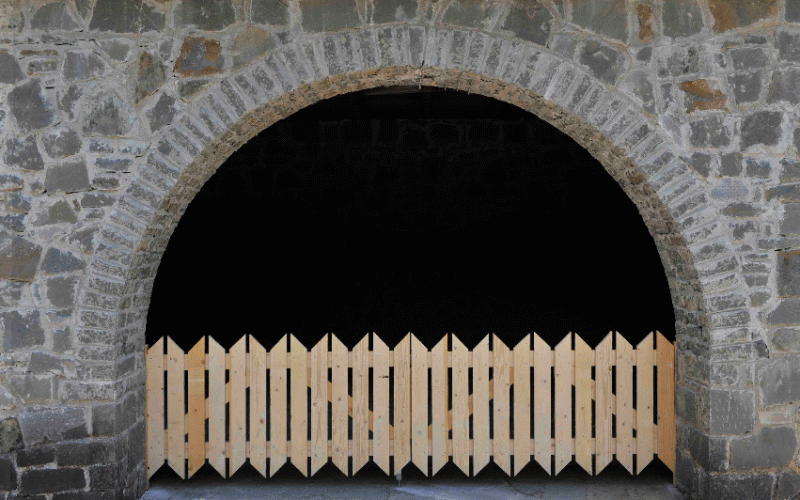
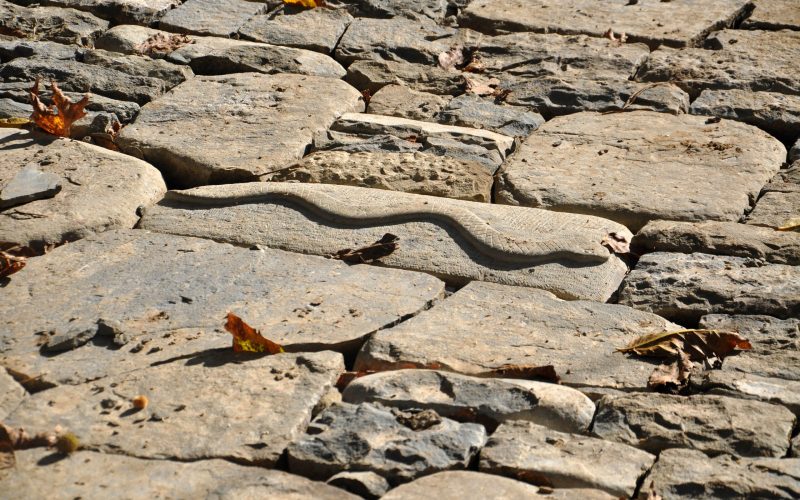
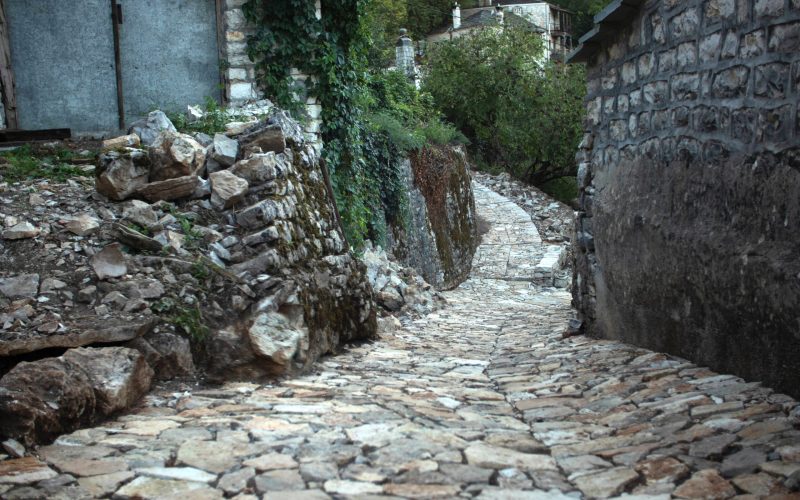

The six-day Stone Masonry Workshop was held in Konitsa, Epirus. The workshop aimed to introduce different groups of people to the traditional stone art and its significance for the region. Academics, students, young professionals, researchers, craftspeople, and the general public met in Konitsa to study or research and discuss the various aspects of the art of stone and its evolution over time. Also, the participants were able to understand in a hands-on way how important it is for the region to maintain the continuity of this traditional art. The approach to all of the above takes into consideration the cross-border relations between Konitsa and the surrounding areas, the reverberations of which affect every aspect of local tradition and culture. The structure of the workshop programme was organised around a series of events open to the general public and the practical training in which 22 participants, selected after an application and evaluation process, took part.
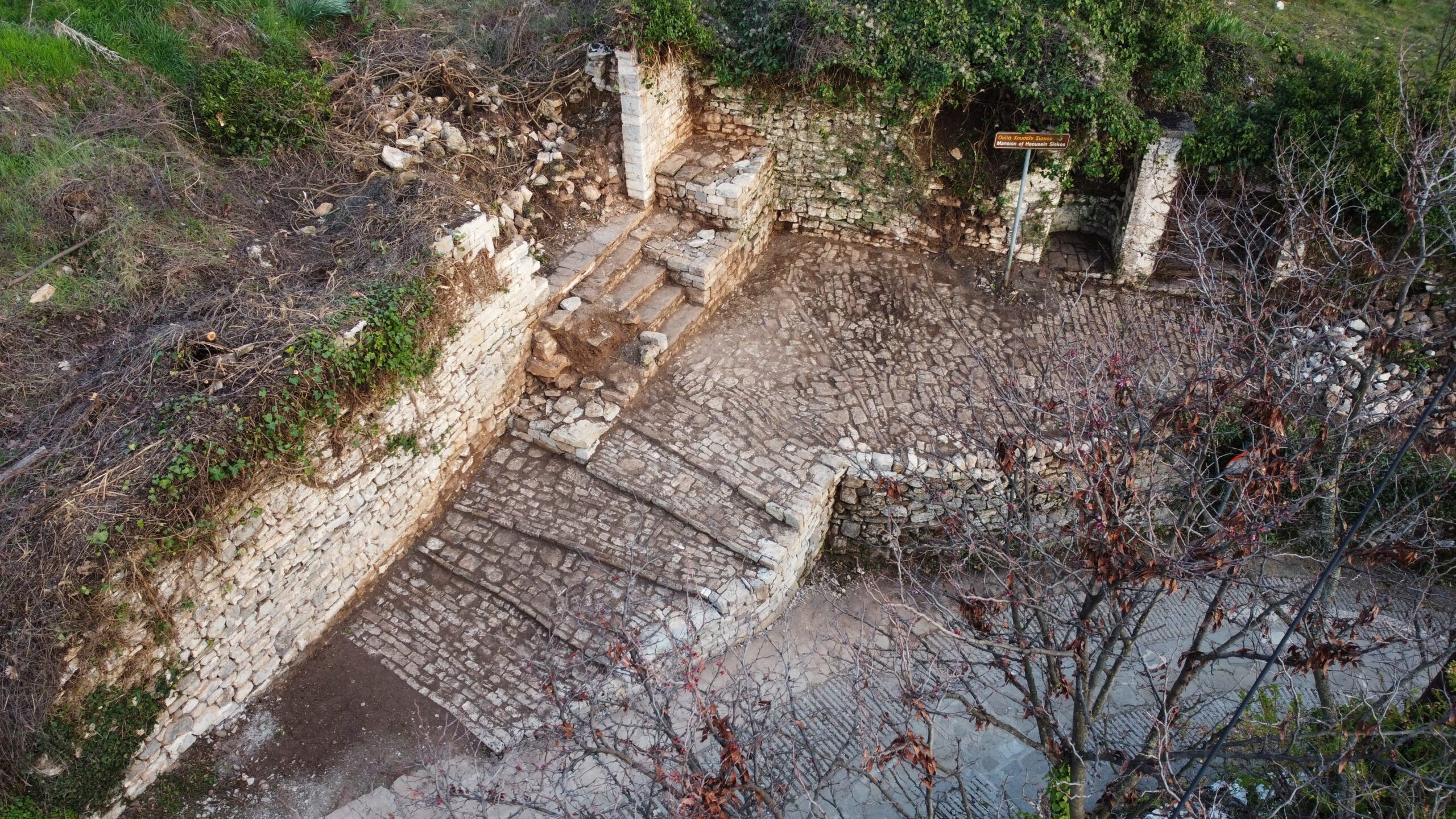
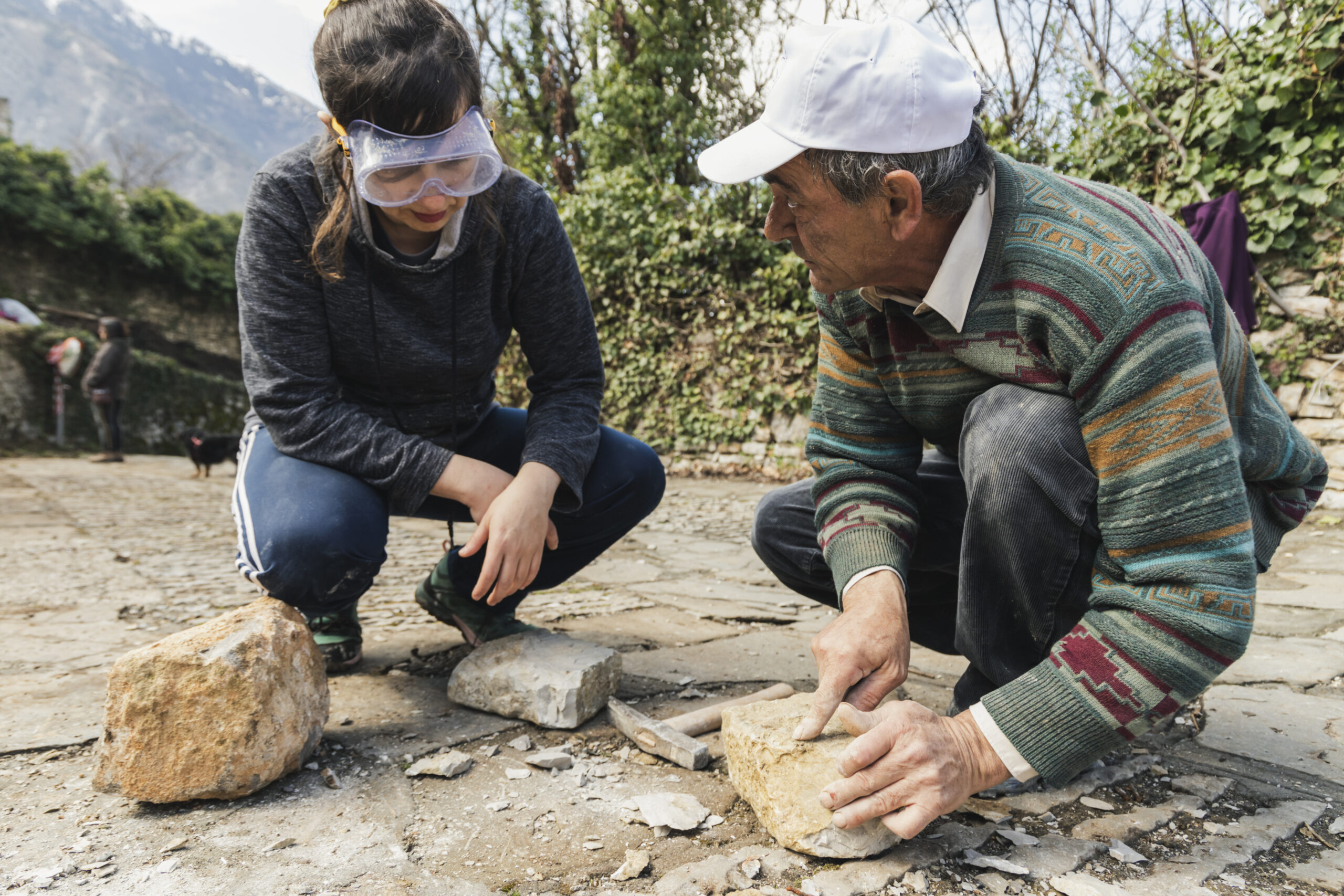
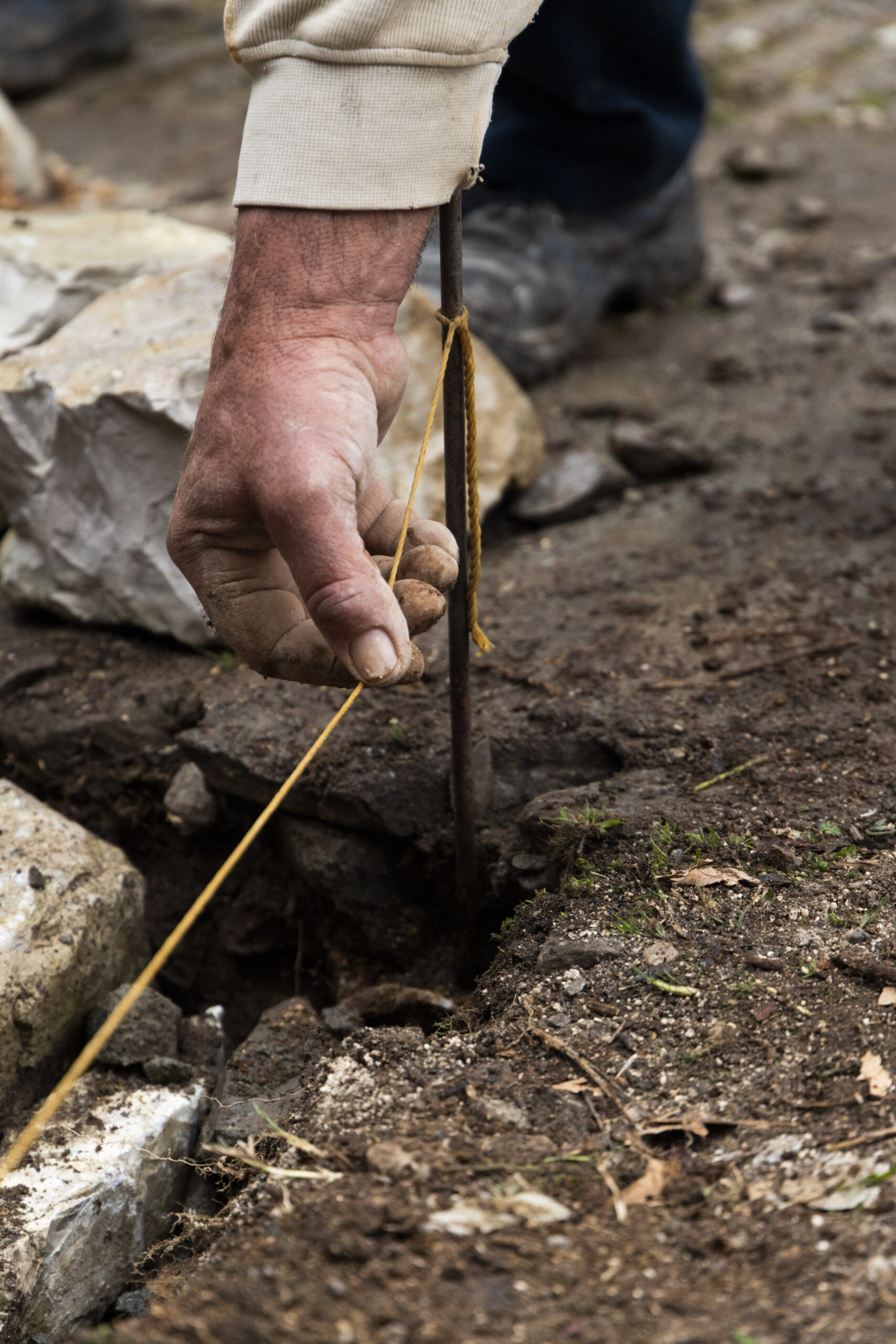
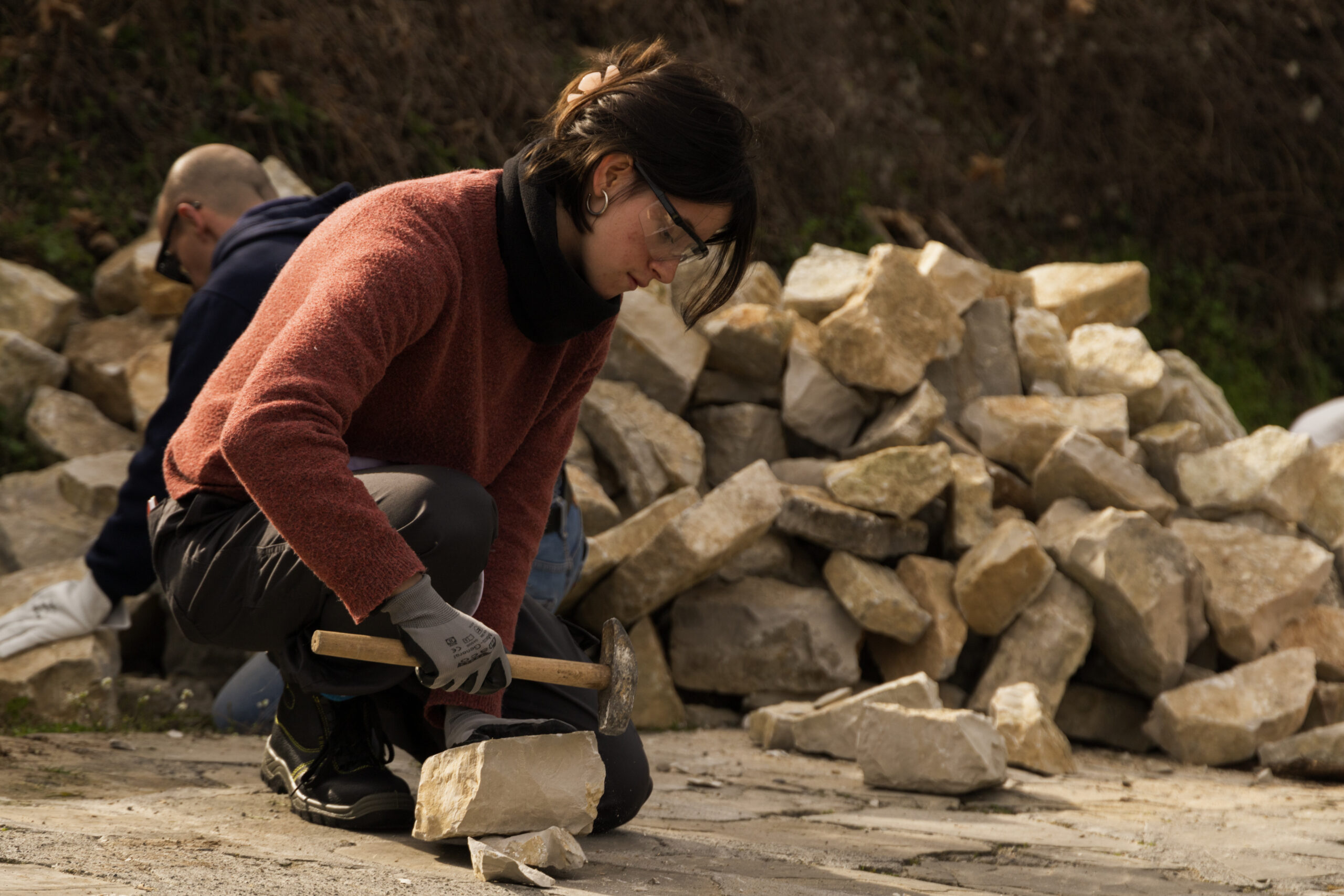
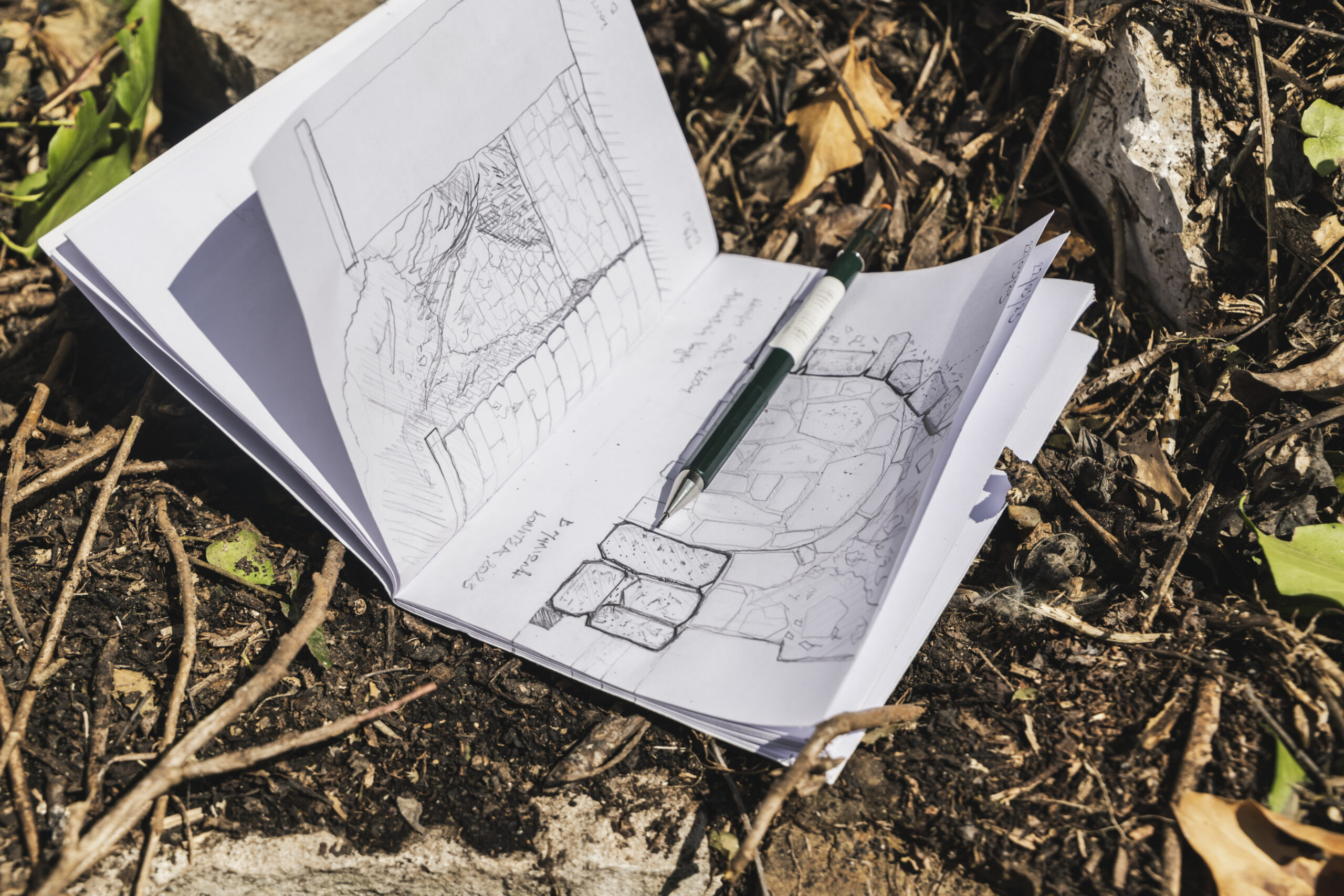
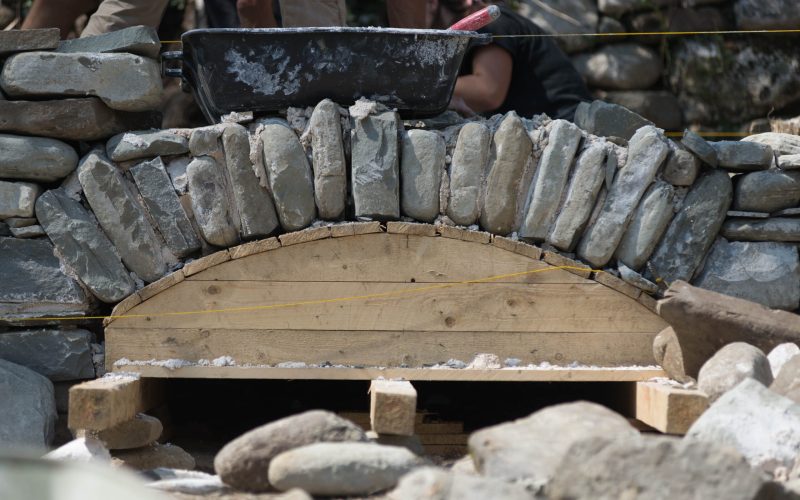
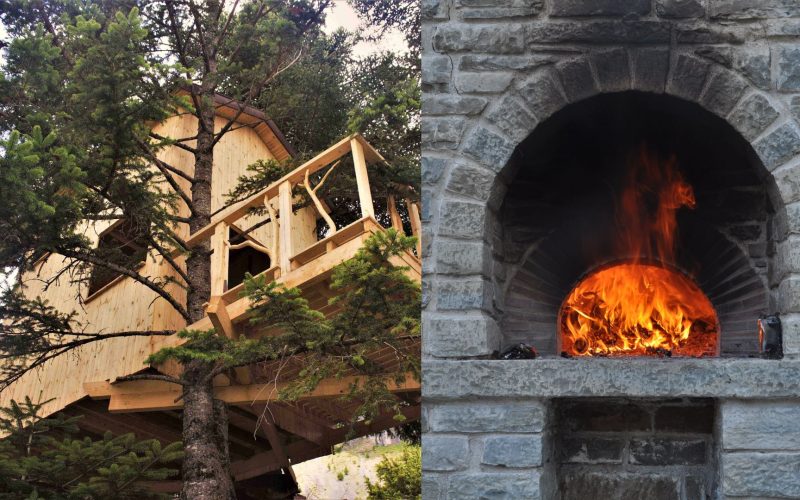
The hands-on part of the workshop was a small-scale construction work in a communal space outside of the Hussein Sisko House entrance, in upper Konitsa. The educational process included three different fields of hands-on work:
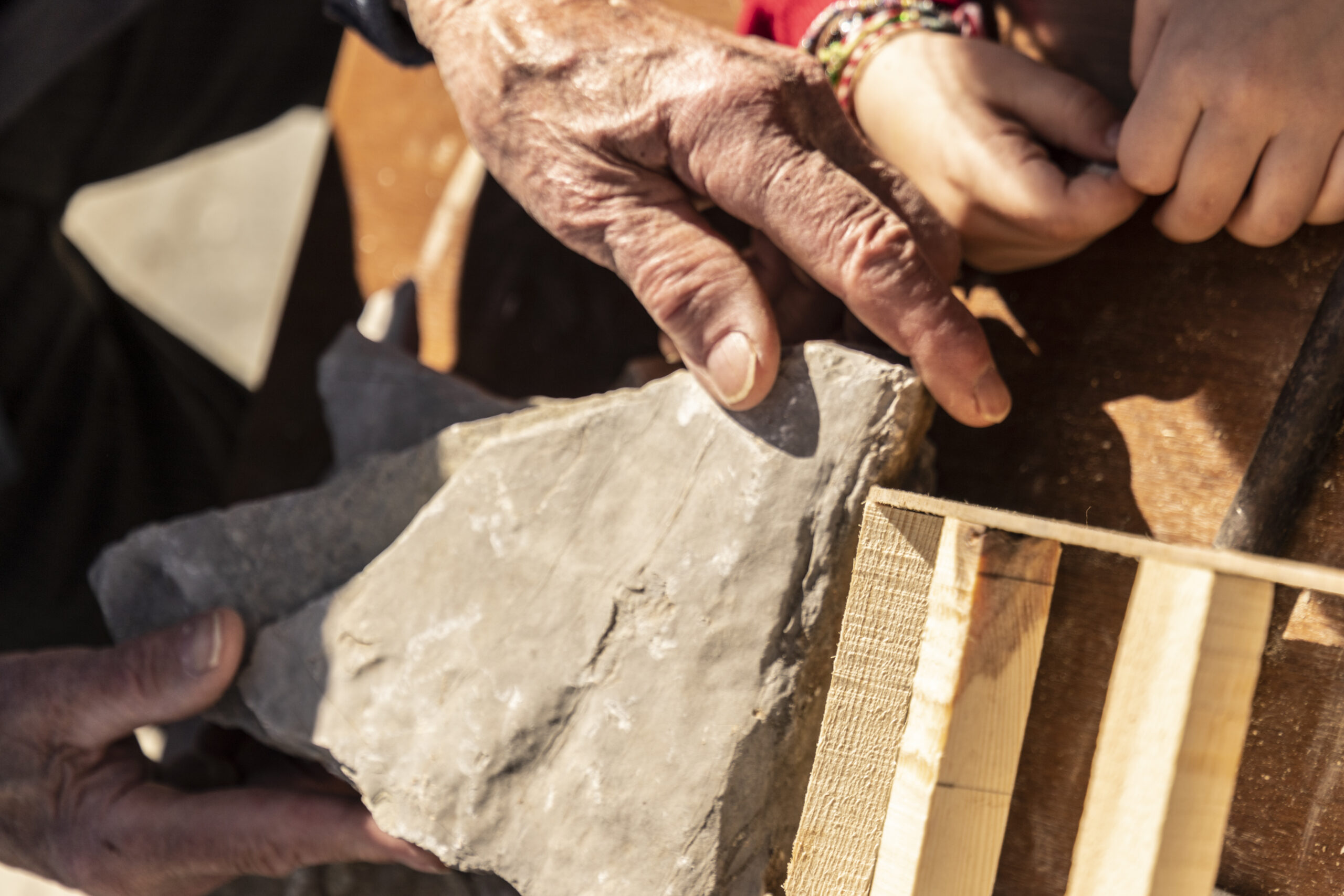
After three days of hands-on work, the craftspersons introduced to the workshop participants the first insights into stone building and the use of the equivalent tools. Together, by the end of the workshop, they cut 3m³ of local limestone, built 5m², and constructed 12m² of cobblestone platform.
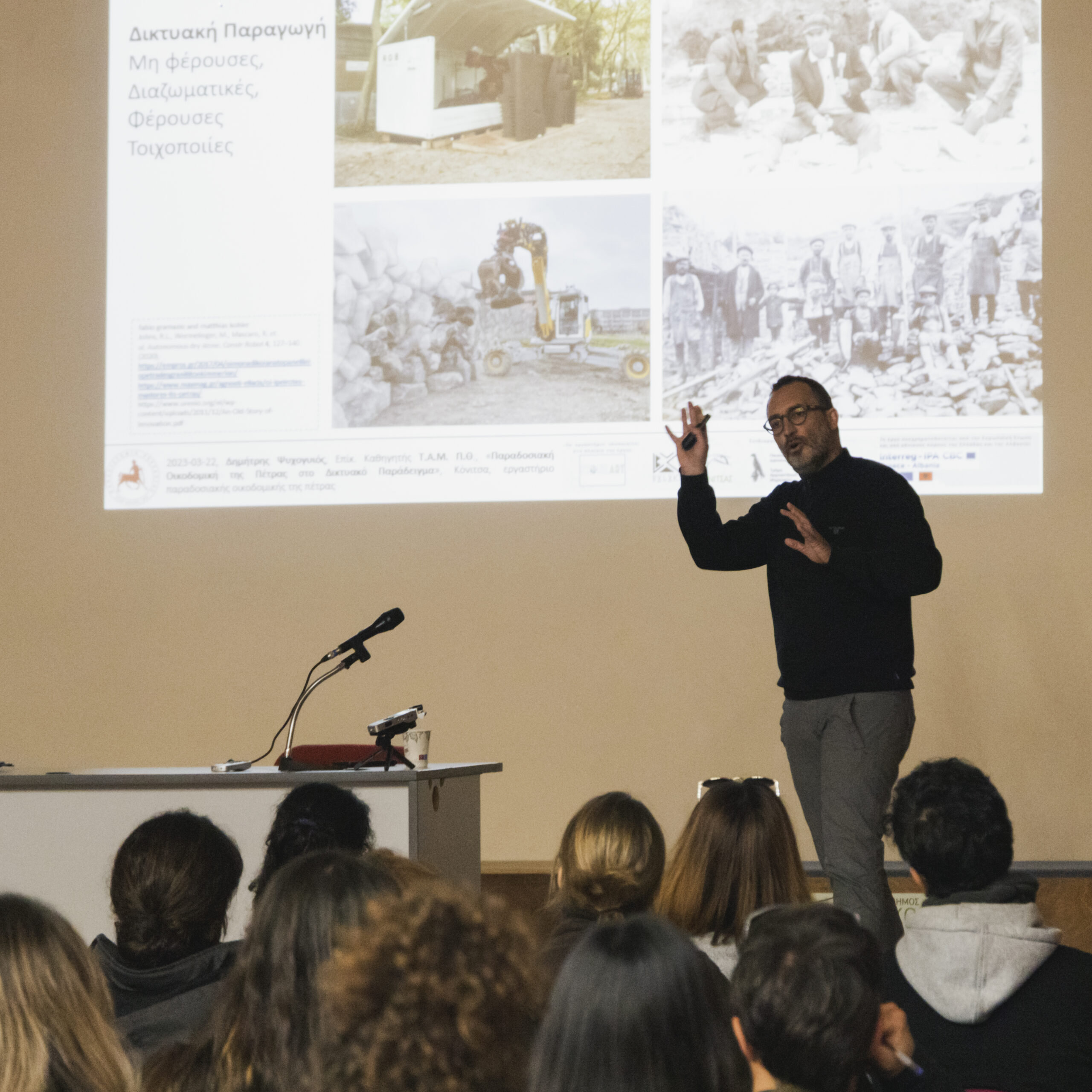
The daily lectures from renowned speakers were a significant part of the workshop, since they contributed to the scientific approach and the deeper understanding of the topic. The topics varied around the different aspects of the art of stone, such as its symbolic meaning, the archaeological and anthropological dimension, technical and theoretical issues on construction, and several other topics highlighting the cross-border approach of the workshop. The lectures were open to the public, and many people from the local community attended them, promoting public discourse around the topics.
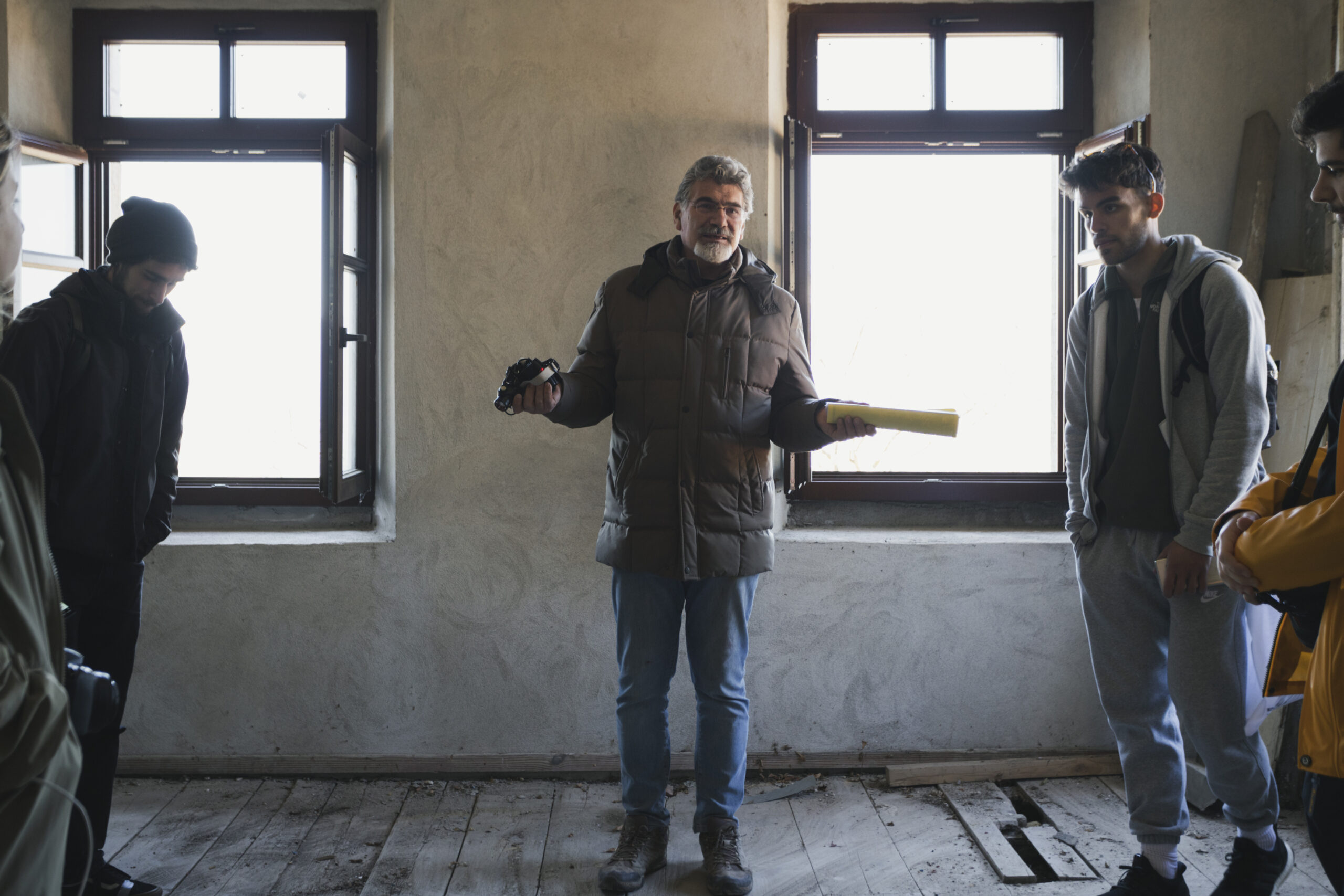
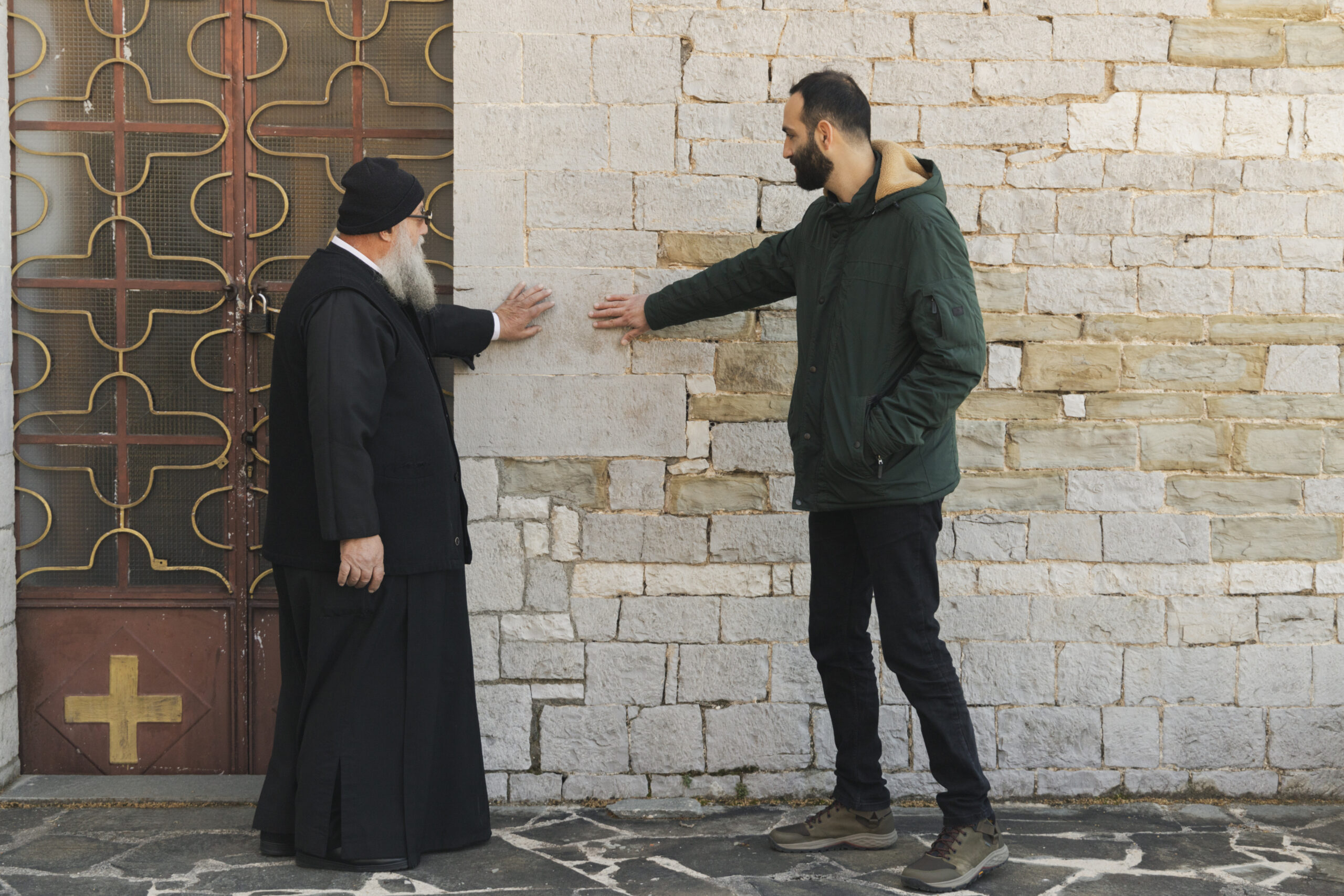
As far as the open events, a guided tour of some significant monuments and landmarks of Konitsa was organised, so that people could get acquainted with its architectural heritage. During the tour, people were able to access some characteristic buildings of the city, as some of them opened their doors to the public for the first time. Through the guided tours from the owners, the experience felt like an “Open House” event, as they showed us around and shared with us the history of the buildings and of the people who previously lived there.
Some worth mentioning stations of the tour were the forgotten and hidden Ottoman monuments and landmarks, such as the old market, the house of Hussein Sisko, the Mosque of Konitsa, and the turbeds of “Kato”-Lower Konitsa and Hamko’s House.
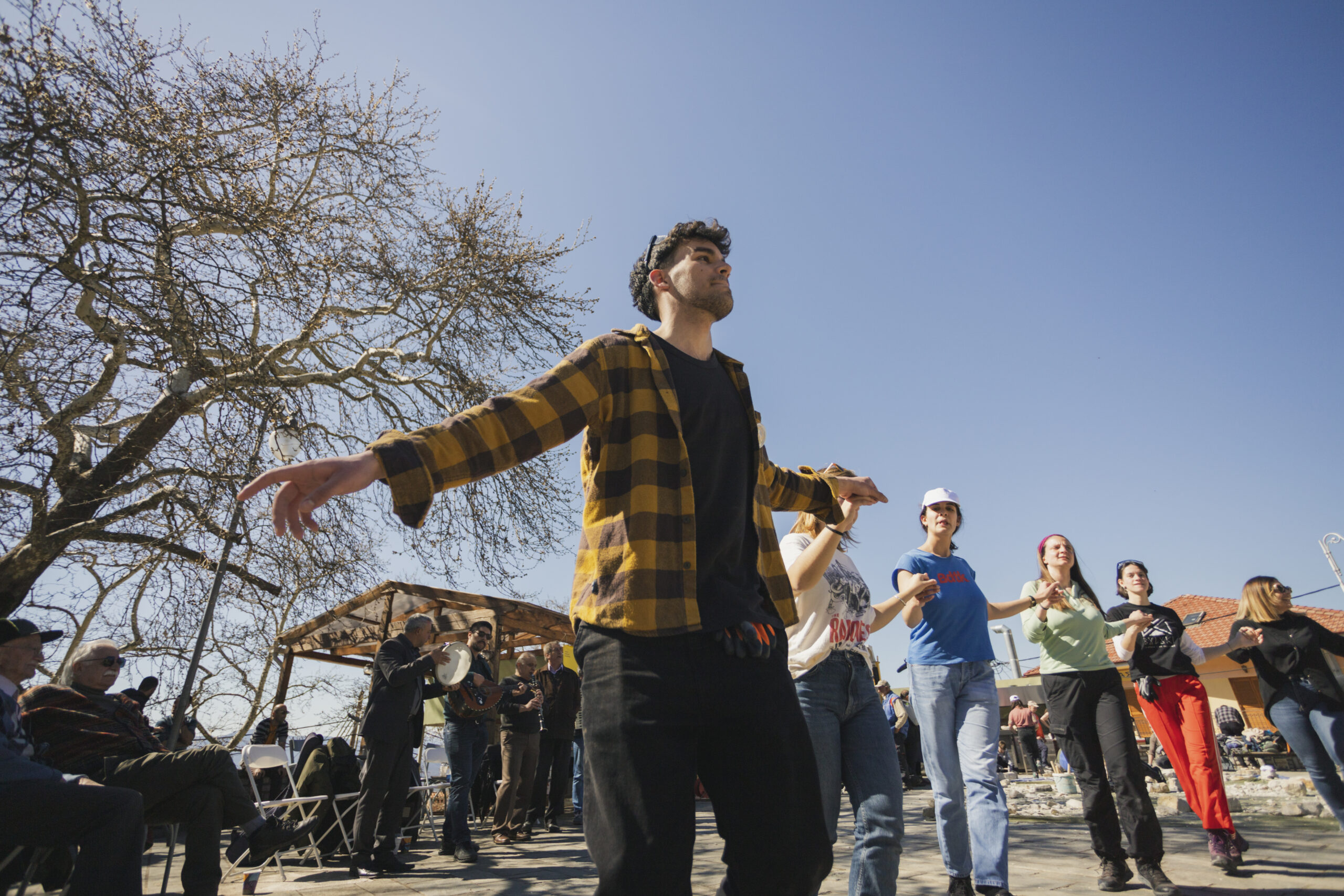
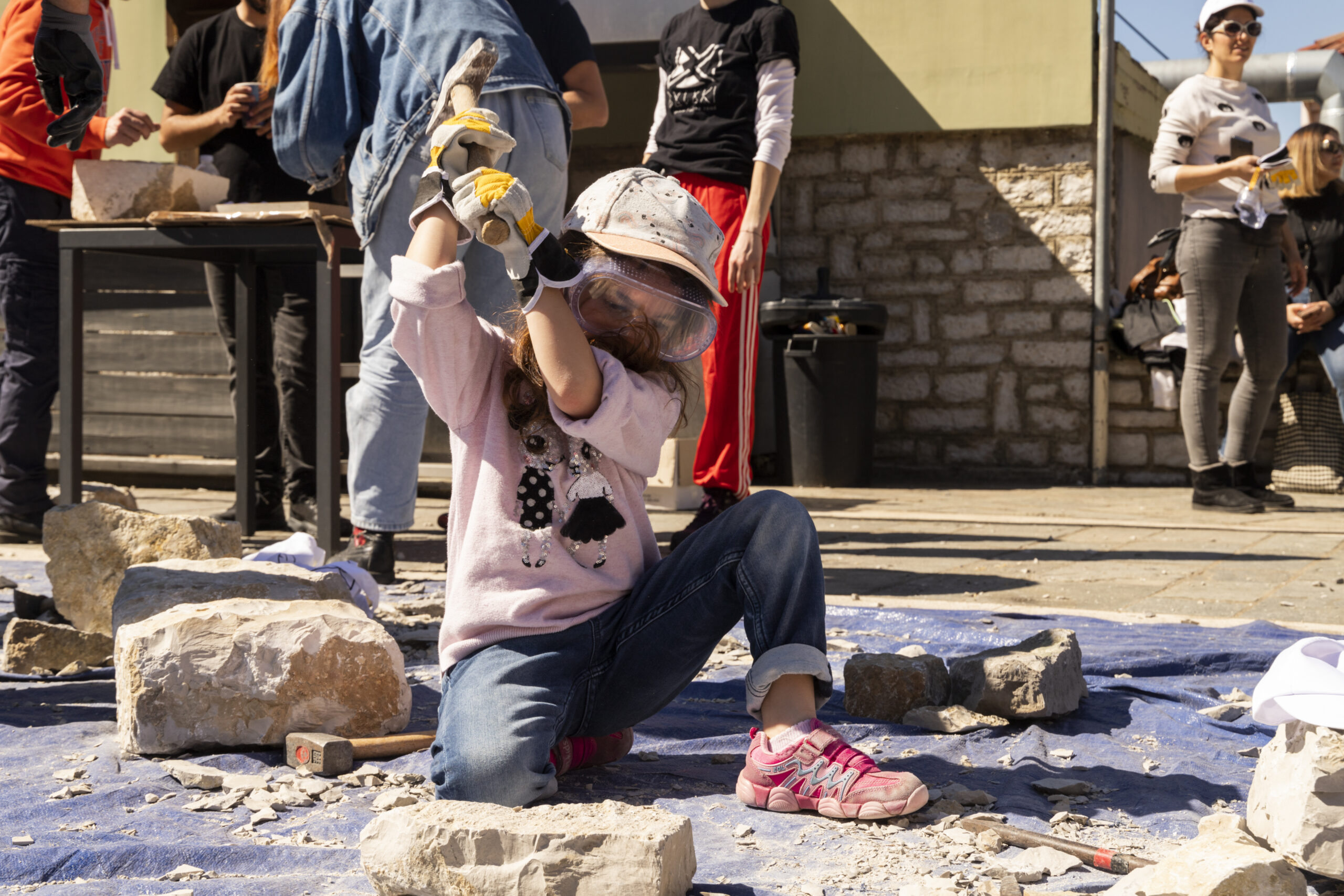
Part of the open programme was a feast for traditional construction that took place in the central square of Konitsa, introducing visitors to the art of stone. An open school for stone cutting was set up there, so people could learn and practise that technique under the guidance of experienced craftspeople. Younger children were also involved in the feast, by creating their own “boulouki” (group of travelling masons), they played a hidden treasure game and constructed a small drystone bridge, under the guidance of 3 educators.
The hands-on workshop also included two parallel activities that were open to the public. A screening of the documentary “The Aging Land” took place, directed by Dimitris Trompoukis and Giorgos Oikonomou, in the presence of the former. The documentary refers to issues around the survival of Mastorochoria, in Konitsa, Epirus, and raises questions about the Greek countryside throughout the years. Additionally, the thesis from Natalia Tragoudara and Eleni Gondra from the School of Architecture in the National Technical University of Athens was presented. The project suggests the design and operation of a school for traditional stone and timber craftsmanship in Konitsa.
No results found.
No results found.